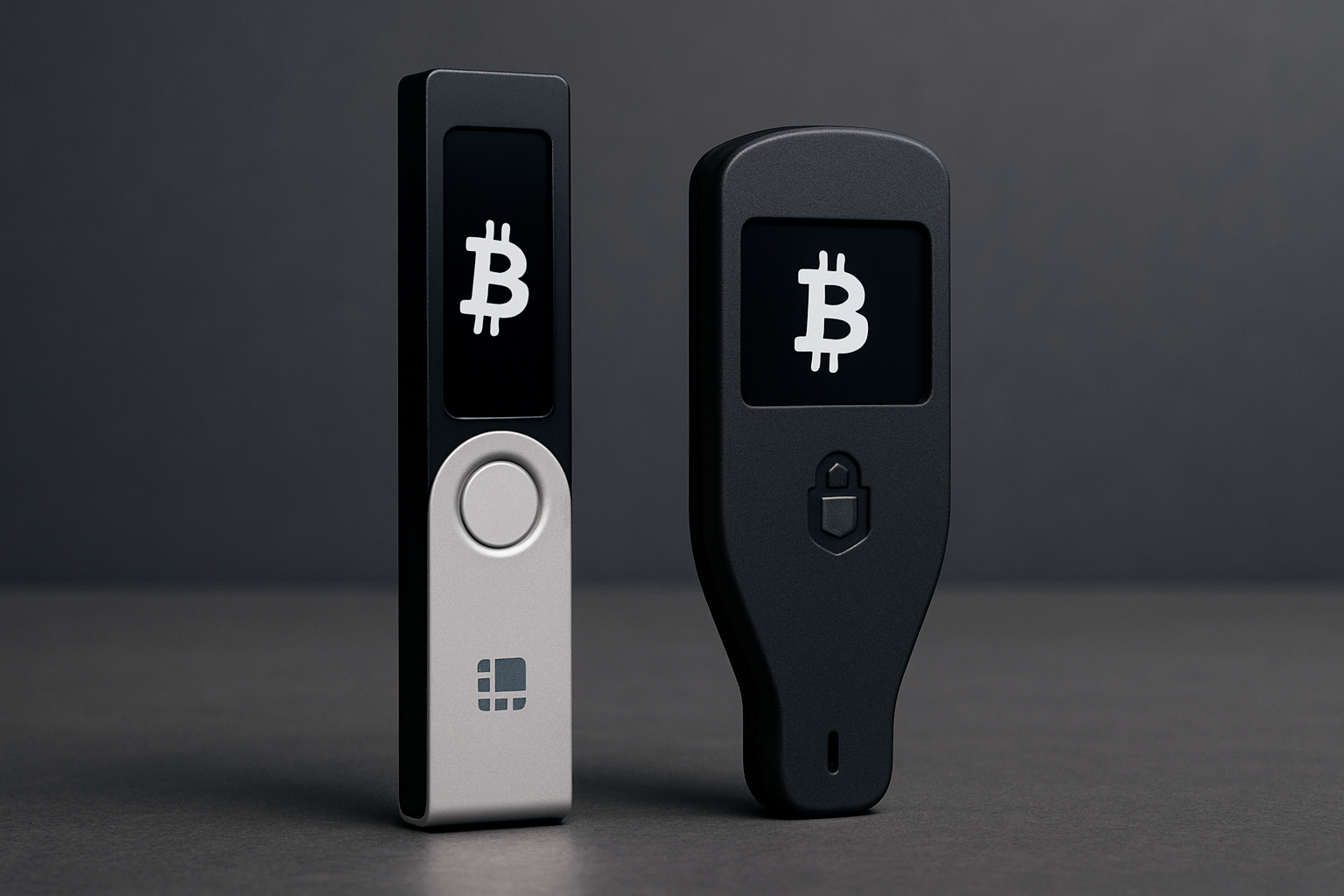
In the ever-evolving world of crypto security, Ledger vs Trezor 2025 is a debate that never loses steam. Both brands have doubled down on innovation, launching new flagship devices tailored for today's multi-chain, multi-asset investors. Whether you're safeguarding your first Bitcoin or managing a diverse NFT collection, understanding the latest features and real-world usability is crucial before you commit to a hardware wallet.
Design and Display: Touchscreens Take Center Stage
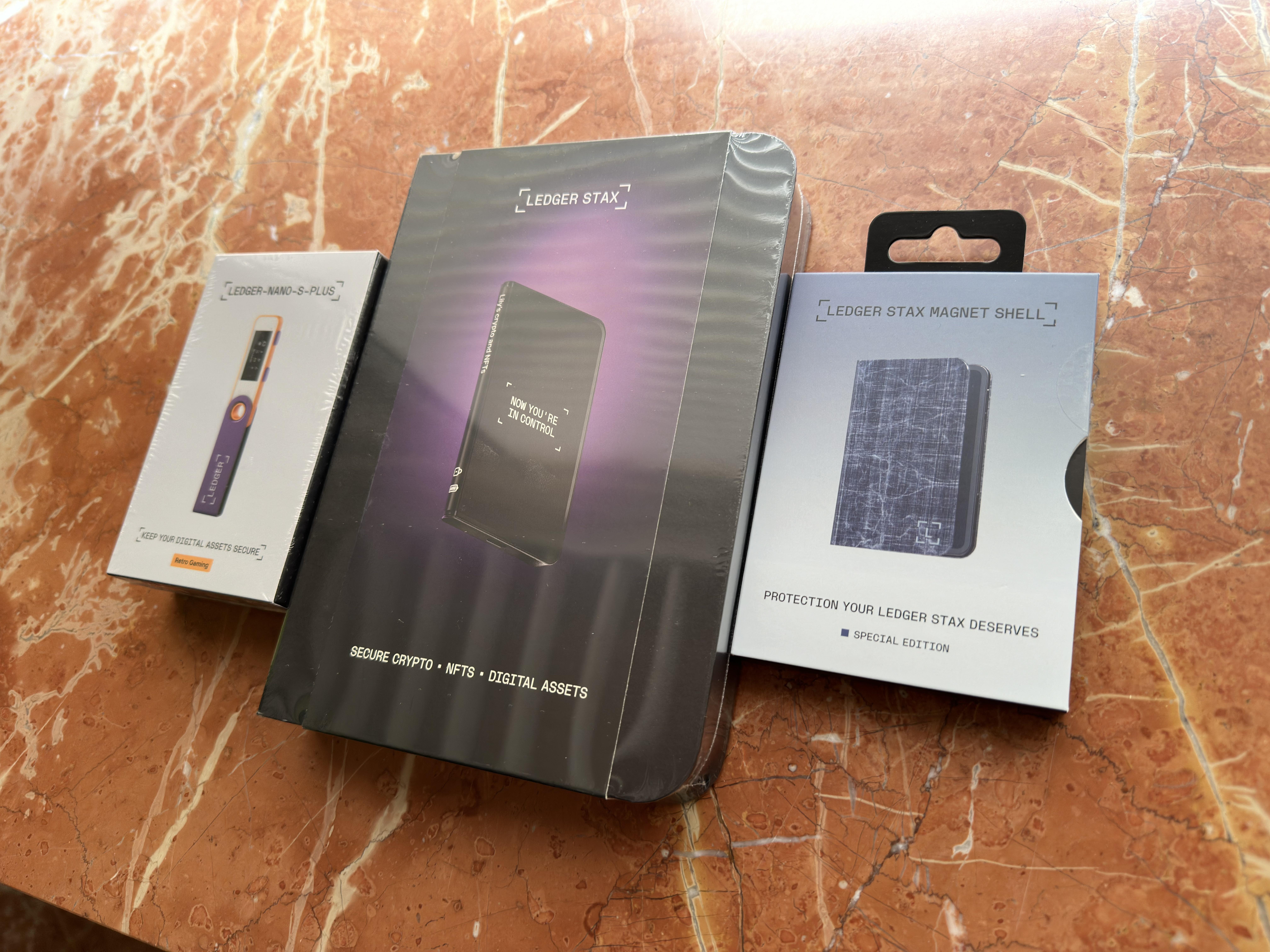
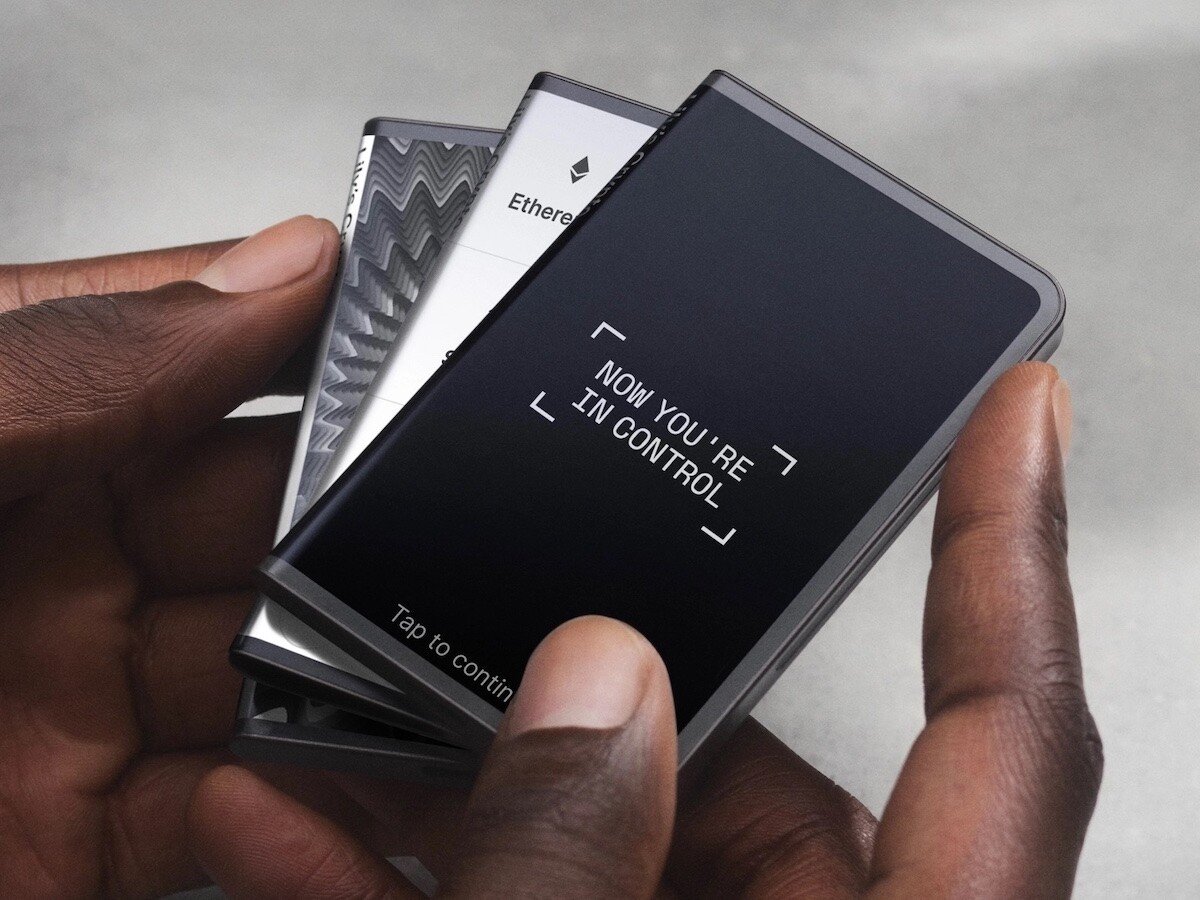
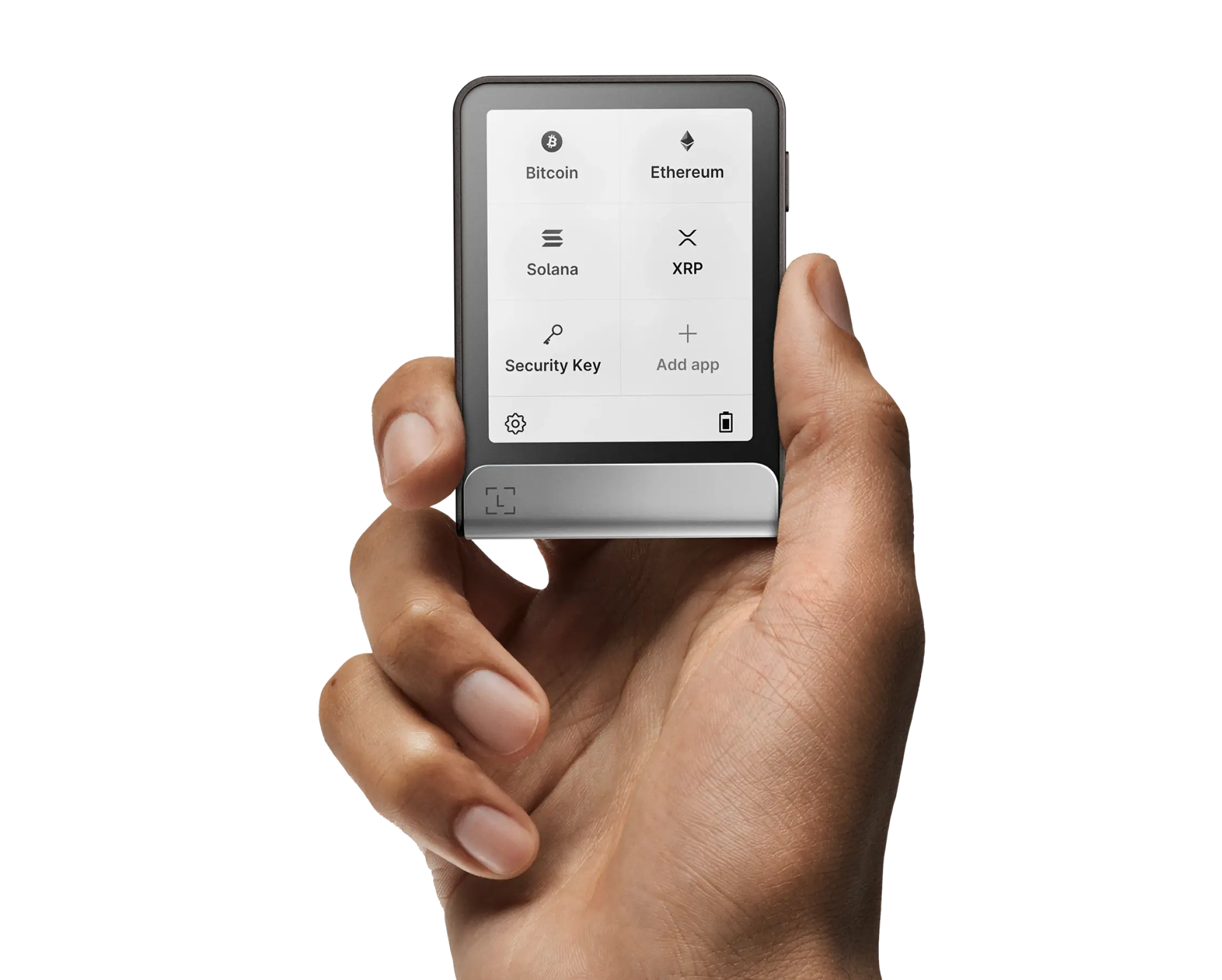
The visual leap in hardware wallet design is impossible to miss in 2025. Ledger Stax, with its striking E-Ink touchscreen, looks more like a designer gadget than a cold storage device. The curved display wraps gently around the edge, offering tactile navigation and at-a-glance portfolio insights directly on the device. At $399, it’s positioned as a luxury pick for power users who want both style and substance.
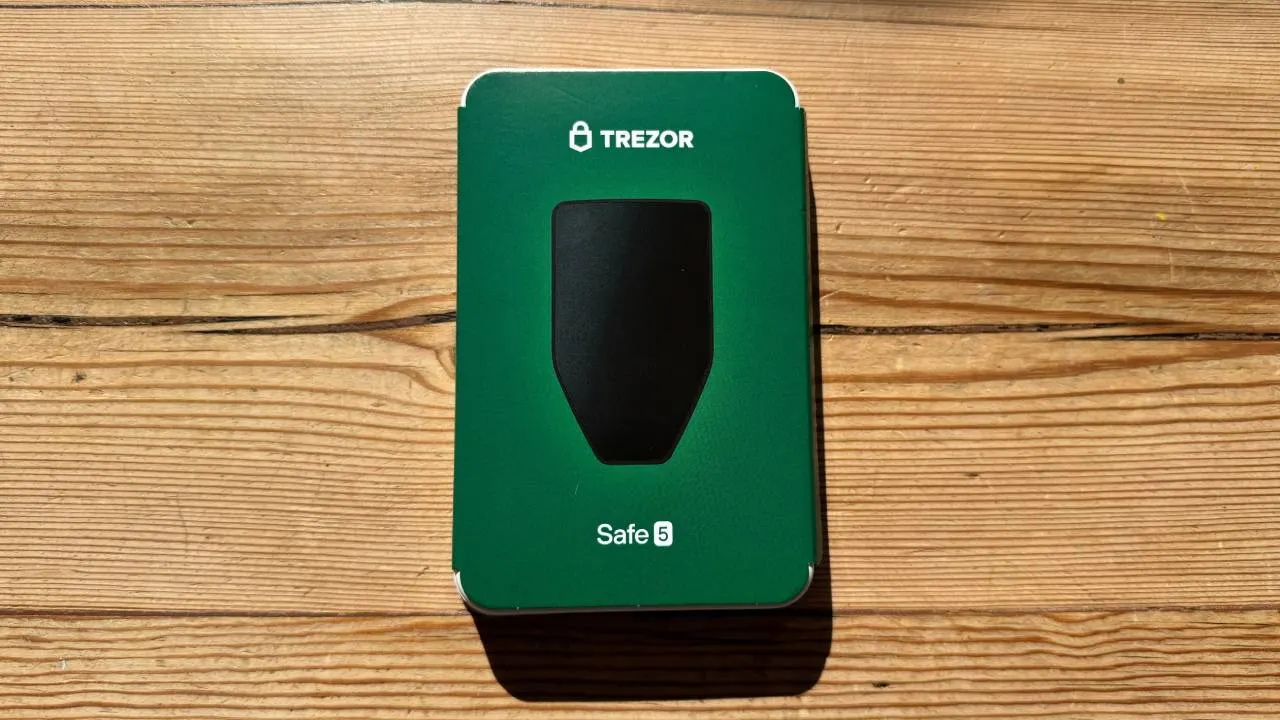
Meanwhile, Trezor Safe 5 embraces practicality with its full-color touchscreen protected by Gorilla Glass 3. Priced at $169, it’s robust enough for daily handling but still feels premium in hand. The interface is intuitive even for newcomers - swiping through accounts or confirming transactions feels natural and secure.
Security Architecture: Proprietary vs Open-Source Approaches
Crypto wallet security 2025 is all about balancing transparency and tamper-resistance. Ledger continues to champion its proprietary Secure Element chip (CC EAL5 and certified), which isolates private keys from any external connection. Every app runs within its own sandbox via the BOLOS operating system - so even if one app were compromised, others remain untouched.
Trezor’s philosophy leans heavily into open-source transparency. The firmware can be audited by anyone, fostering community trust and rapid vulnerability patching. With the release of Safe 5 (EAL6 and Secure Element chip) and Safe 3 ($79), Trezor now matches Ledger’s physical attack resistance while maintaining its transparent ethos.
Key Security Differences: Ledger Stax vs Trezor Safe 5 (2025)
- Secure Element Chip Certification: Ledger Stax uses a CC EAL5+ certified Secure Element, while Trezor Safe 5 features a certified EAL6+ Secure Element chip—offering an even higher level of hardware security against physical and digital threats.
- Firmware Transparency: Ledger Stax operates on proprietary, closed-source firmware, whereas Trezor Safe 5 runs open-source firmware, allowing independent audits and greater community trust.
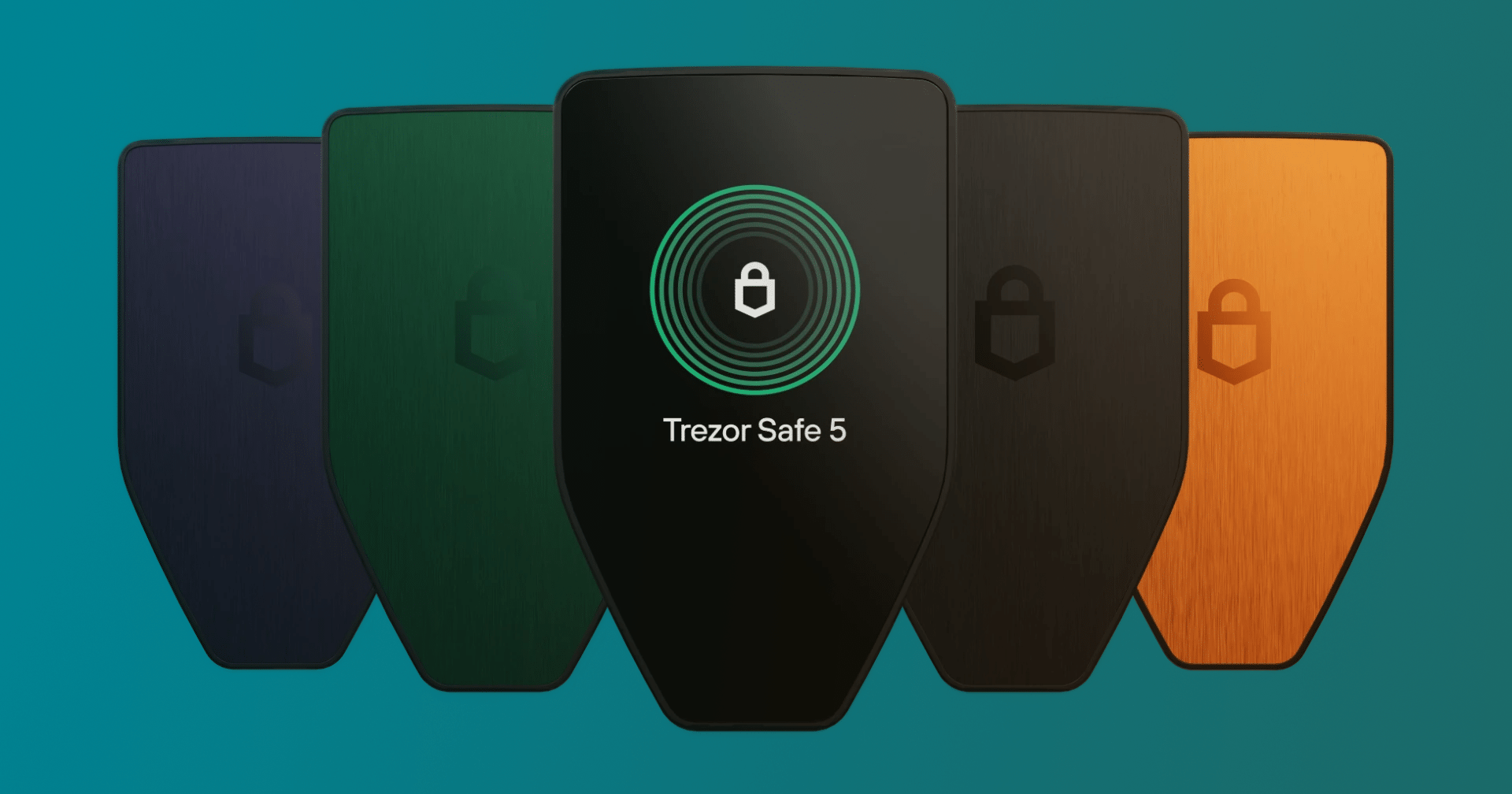
- Physical Security & Durability: Ledger Stax features a large E-Ink touchscreen for intuitive use, while Trezor Safe 5 offers a full-color touchscreen with Gorilla Glass 3, enhancing both usability and resistance to physical damage.
- Private Key Isolation: Ledger Stax isolates private keys within its Secure Element chip, ensuring they never leave the device. Trezor Safe 5 also keeps keys in the Secure Element, but its open-source design means security is continually peer-reviewed.
- Software Attack Resistance: Ledger Stax uses the proprietary BOLOS operating system, running each app independently to prevent single points of failure. Trezor Safe 5 relies on its open-source firmware and hardware isolation to defend against software exploits.
Supported Assets: Who Wins the Multi-Coin Race?
If you’re building a diverse portfolio or exploring new blockchains like Solana or Polkadot, supported assets matter more than ever. Ledger supports over 5,500 coins and tokens, managed seamlessly through the Ledger Live app - making it ideal for those who want everything under one roof.
Trezor counters with support for over 9,000 cryptocurrencies, including deep native integration for Bitcoin, Ethereum, Litecoin, ERC-20 tokens and more. This breadth appeals to altcoin enthusiasts who value flexibility above all else.
When it comes to staking, NFTs, and DeFi, the competition is equally fierce. Ledger Live has grown into a powerhouse dashboard, letting you stake assets, manage NFTs, and interact with dApps, all from a single polished app. Bluetooth connectivity on the Ledger Nano X ($149) takes mobile usability to another level. For those who live on their phones or want to trade on the go, this is a game-changer.
Trezor Suite answers with its own clean interface and a focus on privacy-centric features. While Trezor doesn’t offer native Bluetooth (a deliberate security choice), its desktop and web integrations are smooth, and support for third-party apps is robust. The tactile color touchscreen on the Safe 5 makes navigating complex transactions less intimidating for first-timers.
Price and Value: Premium Features or Affordable Security?
Wallet pricing in 2025 highlights the diverging strategies of these two giants. Ledger’s range stretches from the entry-level Nano S Plus at $79 to the ultra-premium Stax at $399, each device targeting a specific user profile. The Stax’s E-Ink display and luxury feel justify its higher price for some users, while budget-conscious investors still get robust protection from the Nano S Plus.
Trezor keeps things accessible: The Model One remains an unbeatable value at $49 for Bitcoin beginners, while the Safe 3 ($79) brings modern security to more users without breaking the bank. The flagship Safe 5 at $169 sits comfortably between affordability and cutting-edge features like EAL6 and secure elements and Gorilla Glass durability.
Ledger vs Trezor: 2025 Hardware Wallet Price Comparison
| Device | Brand | Price (USD) | Key Feature |
|---|---|---|---|
| Ledger Stax | Ledger | $399 | Large E-Ink touchscreen |
| Ledger Nano X | Ledger | $149 | Bluetooth connectivity |
| Trezor Safe 5 | Trezor | $169 | Full-color touchscreen with Gorilla Glass 3 |
| Trezor Safe 3 | Trezor | $79 | Secure Element chip, sleek design |
Real-World Usability: What Matters Most in Daily Use?
The best hardware wallet isn’t just about specs, it’s about how it fits into your daily crypto routine. Ledger’s seamless mobile integration is hard to beat if you’re managing assets across devices or frequently interacting with DeFi platforms. The tactile E-Ink display of Stax also feels futuristic when checking balances or confirming transactions in public.
Trezor’s open-source firmware continues to win points with privacy advocates and tinkerers who want full transparency over their device’s codebase. Its color touchscreens (especially on Safe 5) make onboarding less daunting for newcomers, no cryptic button presses or confusing menus here.
Which Should You Choose?
If you prioritize maximum coin support, advanced mobile features, or want an all-in-one dashboard for staking and NFTs, Ledger remains a top contender, especially with its premium Stax model at $399 offering both luxury design and deep functionality (see full details here). If you value open-source transparency, affordable pricing, or simply want a straightforward device that puts security first without bells and whistles, Trezor’s lineup, from the $49 Model One up to the feature-rich Safe 5 at $169, is hard to ignore (compare models here).
No matter which path you choose in this hardware wallet comparison, both brands deliver peace of mind that far surpasses custodial exchanges or software wallets alone. As always in crypto security: keep your recovery phrase safe, and enjoy exploring whichever device best matches your style.

No comments yet. Be the first to share your thoughts!