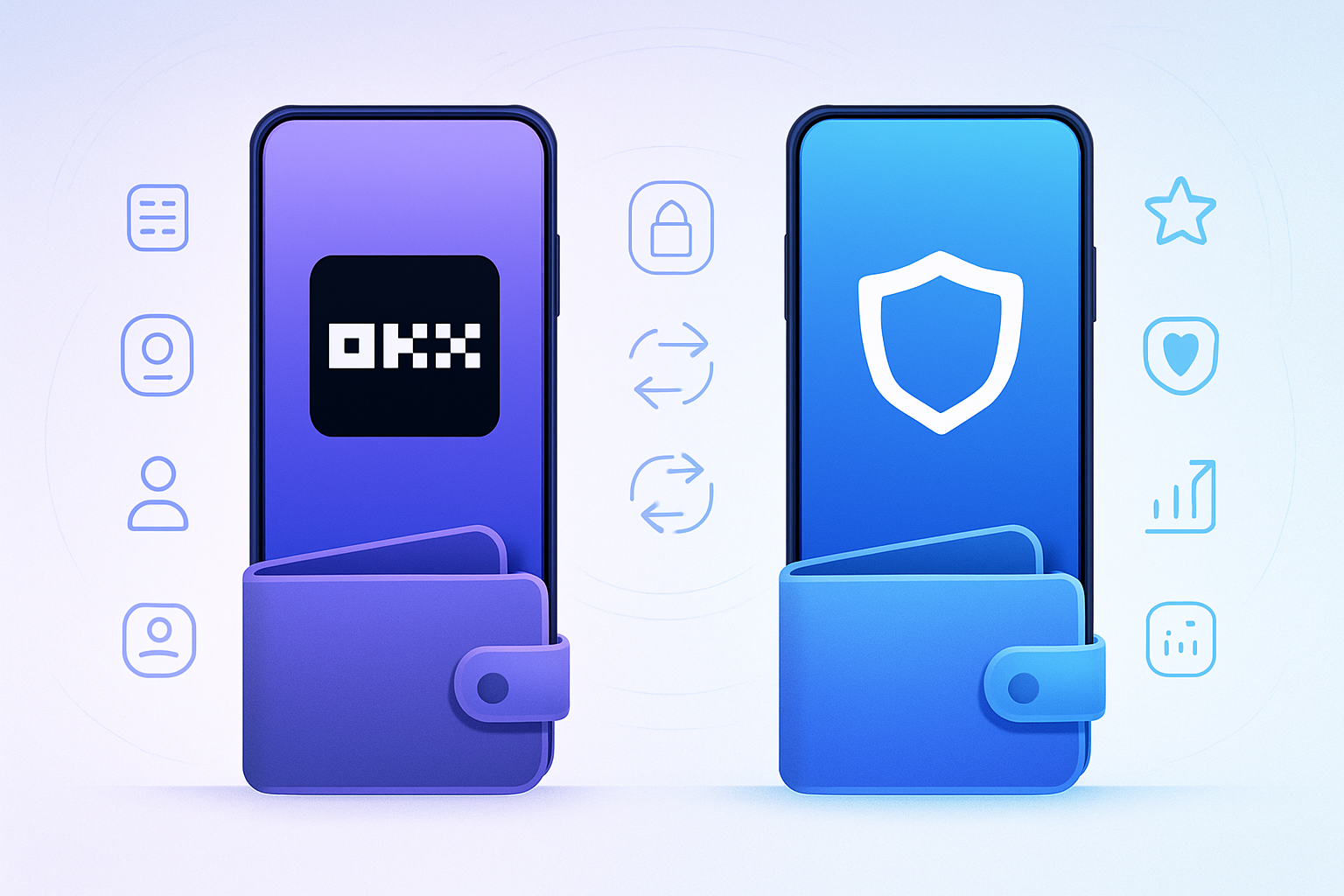
In the rapidly evolving landscape of crypto wallets, OKX Wallet vs Trust Wallet has become a defining comparison for users seeking the best mix of security, DeFi capabilities, and user experience in 2025. Both wallets are non-custodial and multi-chain, but their approaches to swaps, features, and interface design reveal crucial differences that can impact your daily crypto management.
Feature Deep Dive: Multi-Chain Powerhouses
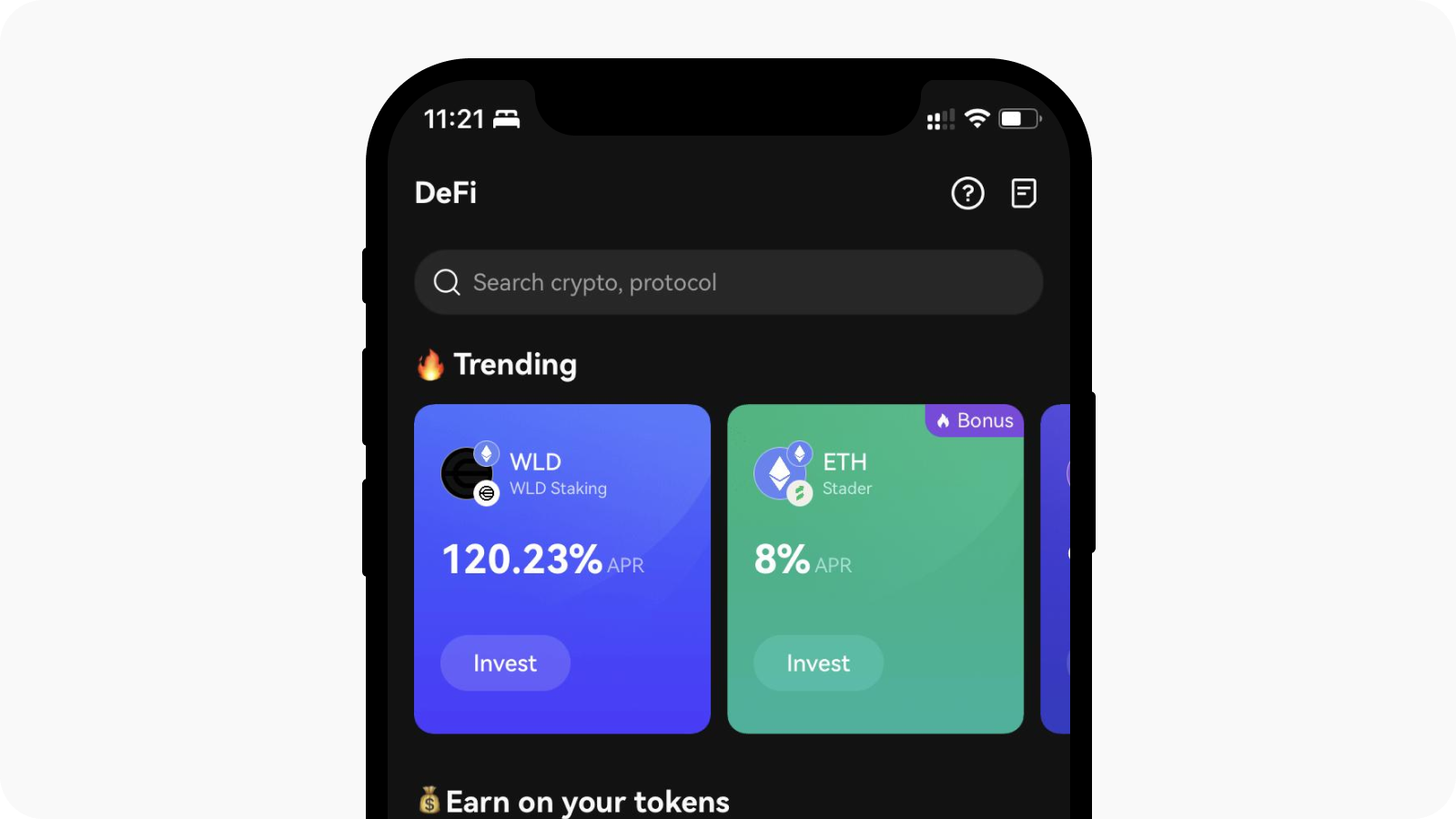
OKX Wallet leads with support for over 140 EVM and non-EVM blockchains, including major players like Bitcoin, Ethereum, and Solana. This broad compatibility is paired with advanced tools such as MEV protection (via ConsenSys SERVO), limit orders, auto-confirm toggles, and robust approvals management. Users can stake assets or access DeFi yields directly within the wallet’s interface, making it appealing for those who want to maximize on-chain opportunities without leaving their dashboard.
Trust Wallet, while supporting over 100 blockchains, emphasizes simplicity and direct asset control. Its non-custodial framework means private keys remain solely with the user. The in-app DEX enables straightforward token swaps without external connections. NFT collectors benefit from integrated storage and marketplace access (e. g. , OpenSea), while the built-in DApp browser makes exploring decentralized applications intuitive even for newcomers.
Key Feature Differences: OKX Wallet vs Trust Wallet (2025)
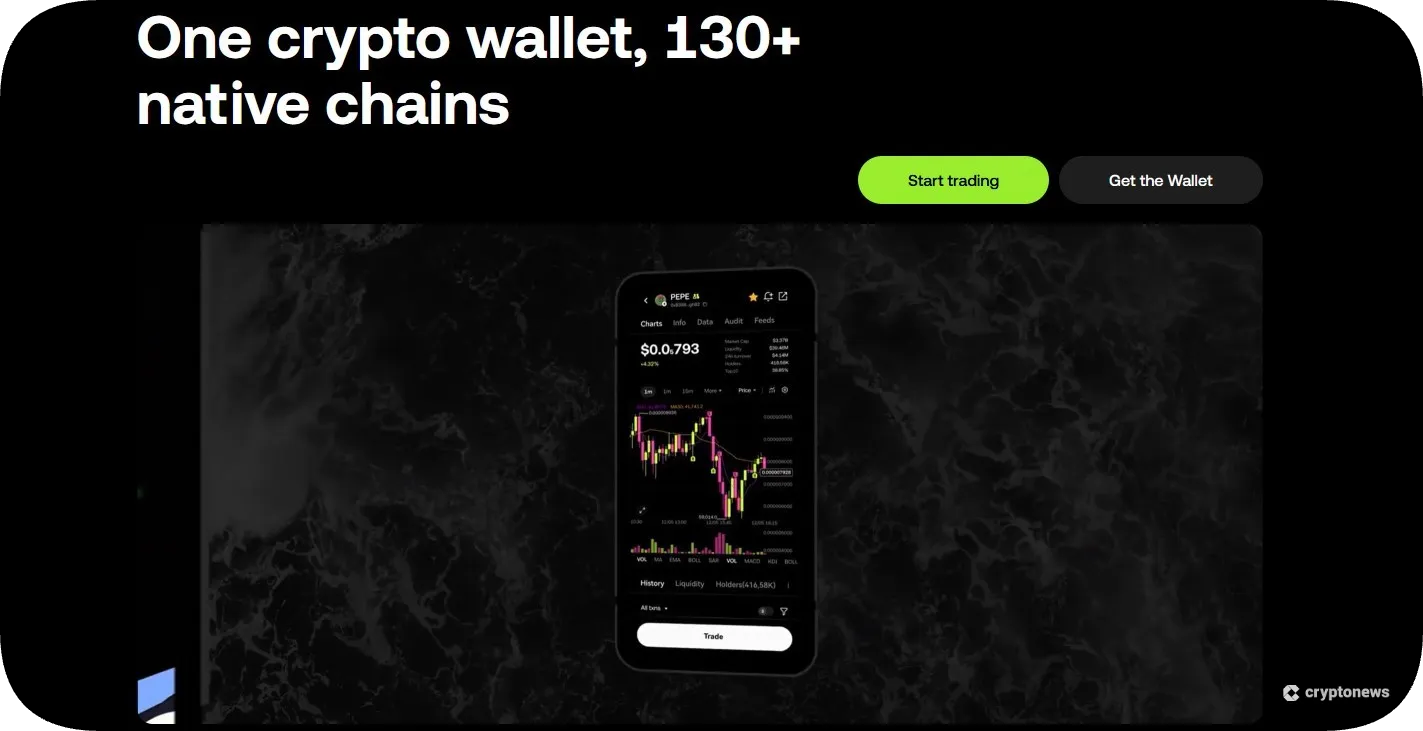
- Multi-Chain Support: OKX Wallet manages assets across 140+ EVM and non-EVM networks, including Bitcoin, Ethereum, and Solana. Trust Wallet supports 100+ blockchains, covering major networks but with slightly fewer integrations.
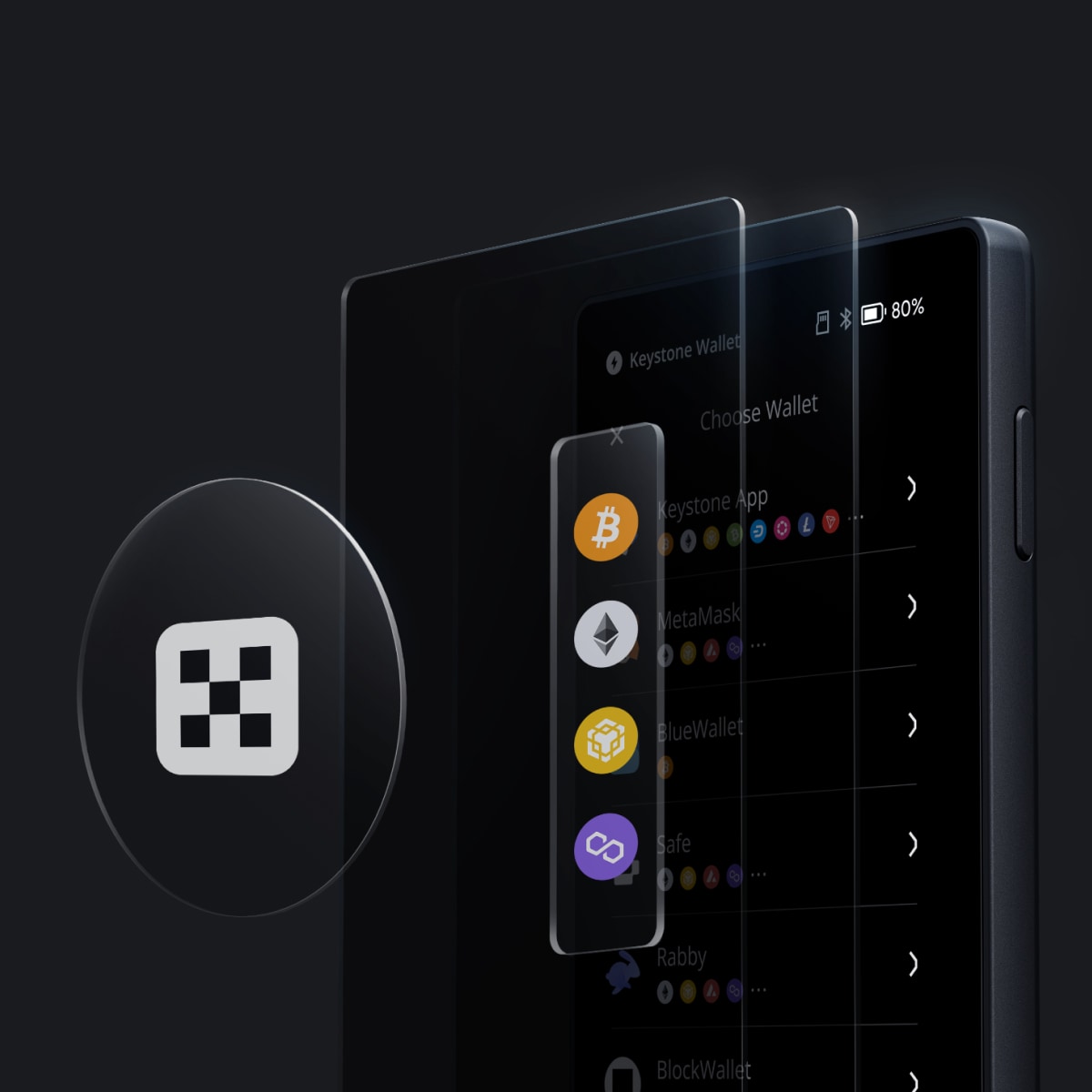
- Swap Capabilities: OKX Wallet uses a built-in DEX aggregator, connecting to 500+ DEXs for optimal rates and liquidity. Trust Wallet features an in-app decentralized exchange for direct token swaps within the wallet.
- Security & Ownership: Trust Wallet is fully non-custodial, giving users complete control of private keys. OKX Wallet also offers non-custodial management but emphasizes advanced trading controls like limit orders and approvals management.
- NFT Management: OKX Wallet includes an NFT Hub for viewing, managing, and trading NFTs across multiple chains. Trust Wallet supports NFT storage and marketplace access, such as OpenSea, but with fewer advanced management tools.
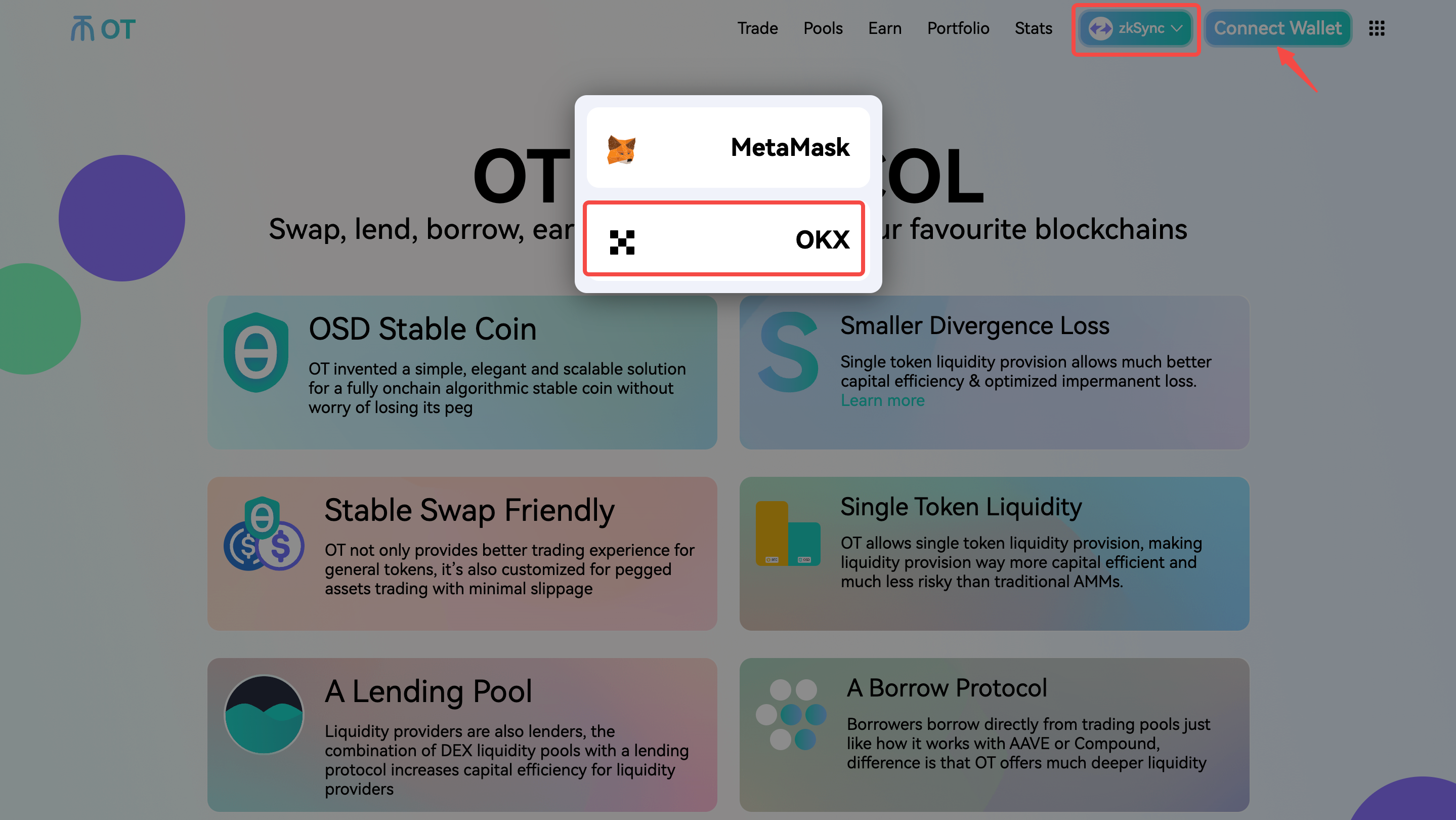
- DApp Access & Discovery: OKX Wallet supports over 1,000 DApp protocols and offers in-wallet analytics and discovery tools. Trust Wallet provides an integrated DApp browser for decentralized application interaction.
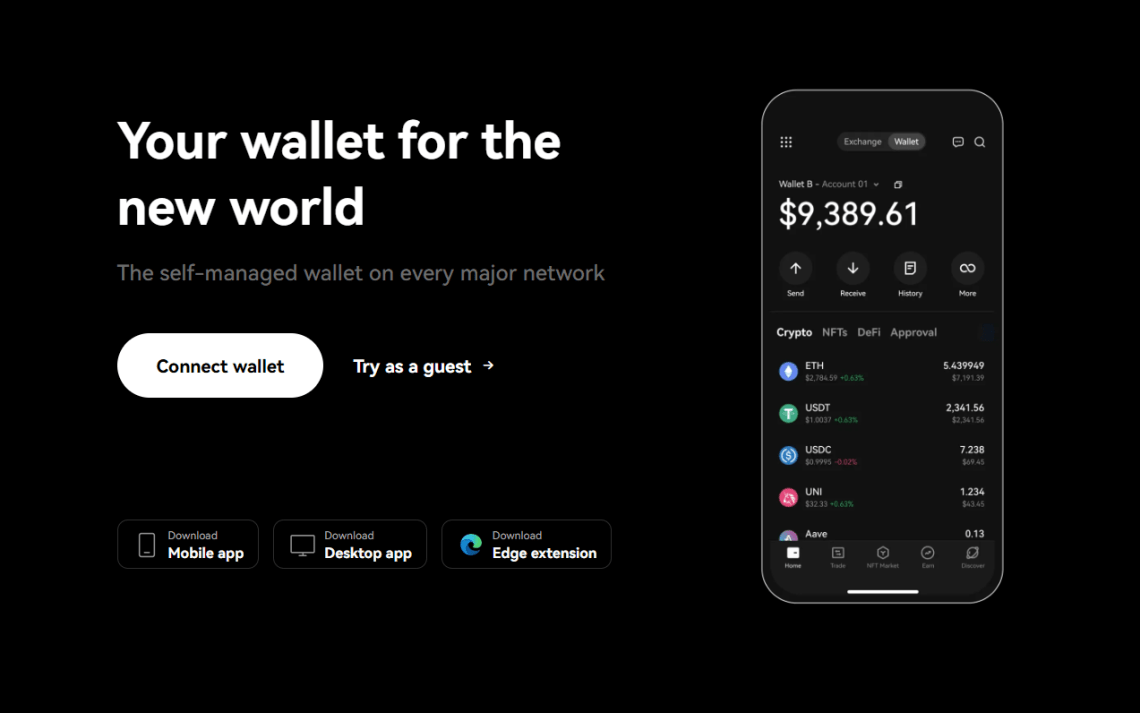
- Platform Availability: OKX Wallet is available on iOS, Android, and as a browser extension, with a guest mode for feature exploration. Trust Wallet is offered as a mobile app (iOS/Android) and a Chrome extension.
- DeFi & Staking Features: OKX Wallet enables on-chain staking and DeFi yield earning directly from its interface. Trust Wallet supports staking for select assets but with fewer integrated DeFi tools.
Side-by-Side: Swap Capabilities in Focus
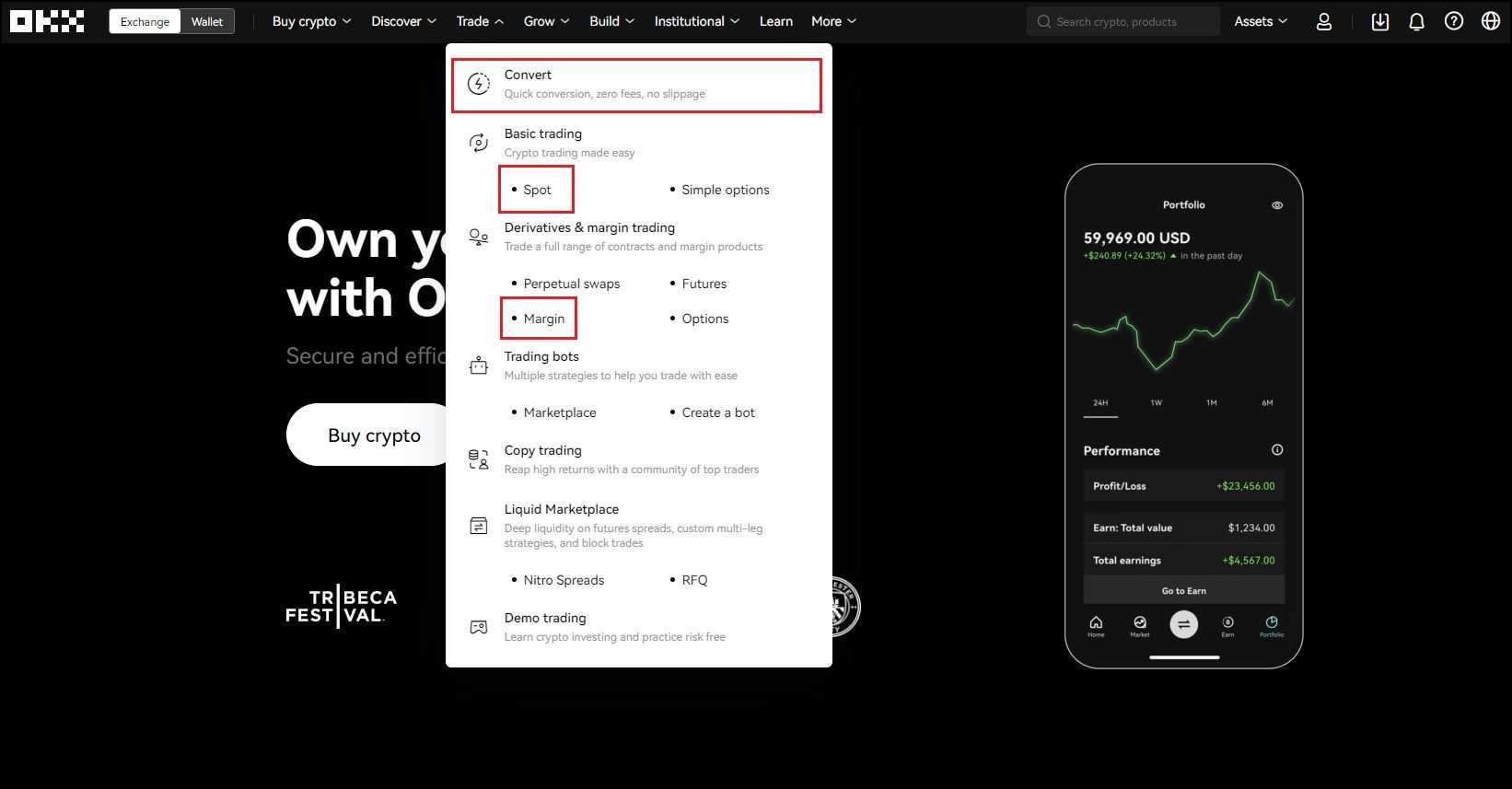
The ability to swap tokens efficiently is now a baseline expectation for modern crypto wallets. Here’s where OKX Wallet’s DEX aggregator stands out: by connecting to over 500 decentralized exchanges, it ensures users get optimal rates and deep liquidity across chains. This aggregation is critical for active traders or those managing diverse portfolios across networks.
Trust Wallet’s in-app DEX, though less expansive in its reach than OKX’s aggregator, delivers reliable swap functionality directly within the wallet. For many users - especially those prioritizing ease of use over advanced trading strategies - this simplicity is a major draw.
User Experience: Interface Design and Accessibility
User experience remains a primary differentiator as more people onboard into Web3. OKX Wallet is available on iOS, Android, and as a browser extension; its interface is lauded for seamless navigation regardless of device. Notably, OKX offers a "guest mode, " letting prospective users explore features before committing to wallet creation - an onboarding innovation that lowers barriers to entry.
Trust Wallet, meanwhile, maintains its reputation for approachable design on both mobile platforms and Chrome extension. Its interface caters equally to new users and seasoned crypto holders; clear navigation makes asset management straightforward without sacrificing depth or functionality.
If you’re interested in how these UX philosophies play out in real-world scenarios - including screenshots from both apps - you can find more detail at our dedicated user experience comparison page.
When it comes to crypto wallet comparison 2025, community sentiment and real-world usability are just as important as technical checklists. User reviews consistently highlight OKX Wallet’s edge for power users who want granular control over swaps, approvals, and DeFi integrations. The inclusion of features like MEV protection and multi-chain NFT management appeals to those who regularly interact with high-volume protocols or experiment across multiple ecosystems.
Trust Wallet, by contrast, shines in scenarios where simplicity and direct asset custody are paramount. Its straightforward onboarding flow and minimalistic design have made it a favorite among crypto newcomers, while its robust support for major blockchains ensures that even advanced users aren’t left wanting for core functionality. The wallet’s non-custodial ethos is a recurring theme in user feedback, many cite peace of mind from retaining exclusive control over their private keys.
Security and Transparency: How Do They Stack Up?
Security remains a top concern in 2025’s digital asset landscape. Both wallets employ industry-standard encryption, but there are nuanced differences:
- OKX Wallet: Implements advanced permissions management and transaction controls, including customizable approval settings for DApps and tokens. Its integration with ConsenSys SERVO adds an extra layer of protection against frontrunning attacks on Ethereum-based swaps.
- Trust Wallet: Stays true to its open-source roots with transparent codebases (auditable on GitHub) and a strong commitment to privacy, no personal data collection during wallet creation or use.
For users prioritizing open-source transparency, Trust Wallet holds an advantage. However, OKX’s proactive stance on DeFi-specific threats may appeal more to those interacting heavily with decentralized protocols.
OKX Wallet’s expansion into more EVM/non-EVM chains and the rollout of guest mode reflect an ambition to capture both sophisticated traders and curious beginners. Trust Wallet’s improvements focus on streamlining NFT discovery and DApp browsing, further lowering the learning curve for first-time Web3 users.
User Feedback Snapshot
A survey of recent reviews shows:
- OKX Wallet: Praised for deep DeFi integration, swap rates, and flexible trading controls; some users note a steeper learning curve due to advanced features.
- Trust Wallet: Commended for ease of use, reliable performance on mobile devices, and consistent updates; occasional critiques center around limited swap routing compared to aggregators like OKX.
If your priority is maximum flexibility across networks with pro-grade tools, OKX Wallet is hard to beat in 2025. For those who value simplicity without sacrificing security or core functionality, Trust Wallet remains an excellent choice, especially as more mainstream users enter the crypto space.
The landscape will continue evolving rapidly as wallets race to integrate new chains, optimize swap engines, and refine onboarding flows. For deeper visual comparisons, including screenshots from both platforms, see our extended analysis at this page.


No comments yet. Be the first to share your thoughts!