Choosing secure self-custody in 2026
Selecting the right self-custody wallet in 2026 is no longer just about storage; it is about active participation in a complex DeFi ecosystem. The stakes are high because the tools you choose dictate both your security posture and your ability to interact with smart contracts. As AI-integrated security features become standard, the line between simple storage and active financial management has blurred.
The fundamental decision remains the same: hot wallets versus cold storage. Hot wallets are software-based solutions that stay connected to the internet, making them ideal for daily DeFi swaps and interacting with dApps. Cold wallets, typically hardware devices, keep your private keys offline, providing a fortress-like security layer for long-term holding. Most users benefit from a hybrid approach, using a hardware wallet for significant holdings and a hot wallet for daily transactions.
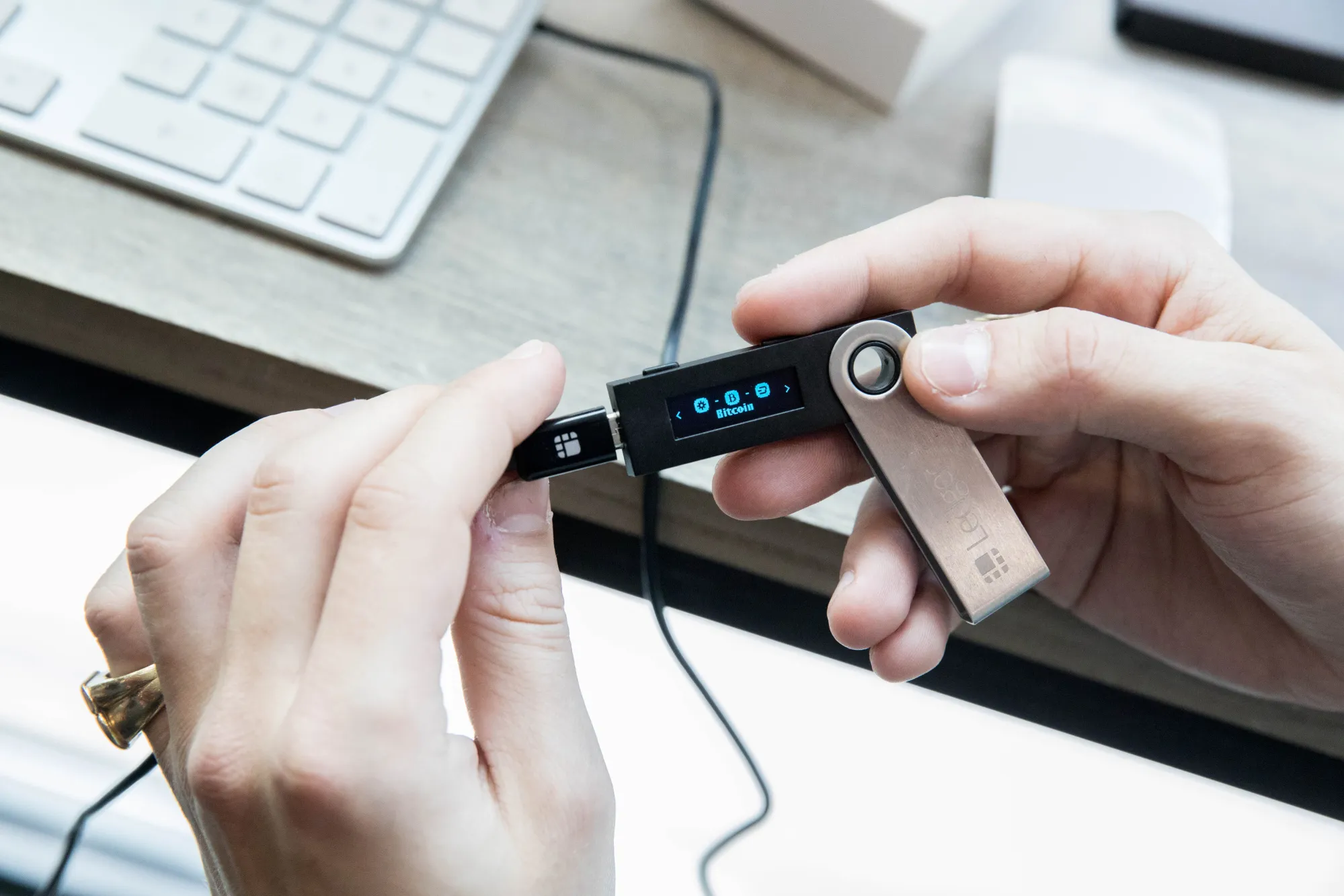
Concrete product choices reflect this split. For those prioritizing daily utility and DeFi compatibility, the Ledger Flex offers a modern interface that balances readability with functional power, making it a strong contender for active users. Conversely, if your primary goal is securing Bitcoin for the long term, the Trezor Bitcoin Edition provides a specialized, air-gapped experience that minimizes attack surfaces. Tangem remains a popular choice for those seeking a card-based, user-friendly solution for everyday transactions.
When evaluating options, look beyond marketing claims. Verify that the wallet supports the specific tokens and DeFi protocols you intend to use. Security features like multi-signature support and transparent code audits are non-negotiable in 2026. Your wallet is your bank, your vault, and your gateway to the decentralized web—choose it with the same rigor you would apply to any major financial decision.
Top hardware wallets for long-term storage
Hardware wallets remain the gold standard for self-custody. By keeping private keys offline, these devices protect your assets from online hacks and phishing attempts. For users prioritizing security over daily convenience, choosing the right hardware wallet is a critical step in securing your portfolio.
Ledger Stax
The Ledger Stax stands out as a top choice for those who want robust security paired with a modern interface. It features a curved E-ink touchscreen, making it easier to verify transaction details on-chain before signing. Under the hood, it uses a Secure Element chip, the same technology found in passports and credit cards, to isolate your keys from the connected device. This model is ideal for users who hold a diverse range of assets and want a premium, durable build.
Trezor Safe 7
Trezor has long been a staple in the hardware wallet space, and the Safe 7 continues that legacy with a focus on transparency and ease of use. It features a high-resolution color display and a built-in magnetic cable for a cleaner setup. The device supports open-source firmware, allowing the community to audit its security code. For investors who prefer a straightforward, no-frills approach to long-term storage, the Trezor Safe 7 offers reliable protection without unnecessary complexity.
Ledger Flex
For users who prioritize daily functionality alongside security, the Ledger Flex offers a versatile design. It combines the security of a hardware wallet with the readability of a larger screen, making it easier to manage multiple tokens and DeFi interactions. While it may not have the premium feel of the Stax, it provides a balanced blend of utility and protection for those who interact with their wallets more frequently.


As an Amazon Associate, we may earn from qualifying purchases.
Best hot wallets for DeFi and daily use
Hot wallets are software-based applications that stay connected to the internet, making them the primary interface for active traders and DeFi participants. Because they require constant connectivity to sign transactions on decentralized exchanges and interact with smart contracts, they prioritize speed and protocol integration over the cold storage isolation of hardware devices.
For daily operations, the ideal hot wallet balances ease of use with robust security features. Modern solutions increasingly incorporate AI-driven anomaly detection to flag suspicious transaction patterns before a user signs them, adding a layer of defense against phishing and smart contract exploits. This section highlights software wallets that excel in DeFi compatibility and active management.
Exodus
Exodus remains a top choice for users who need a unified interface for managing a wide variety of assets across multiple blockchains. Its built-in exchange feature allows for quick swaps between cryptocurrencies without leaving the application, which is particularly useful for rebalancing portfolios in response to market movements. The wallet supports over 250 assets and integrates directly with DeFi protocols like Aave and Uniswap through its in-app browser, streamlining the process of providing liquidity or staking.
Zengo
Zengo focuses on security through its proprietary MPC (Multi-Party Computation) technology, which eliminates single points of failure by splitting private key components across devices and Zengo’s cloud infrastructure. This approach removes the need for users to manage and memorize long seed phrases, reducing the risk of permanent loss due to human error. Zengo’s AI-driven security layer monitors transaction data in real-time to detect and block potential threats, making it a strong option for users who prioritize automated protection while maintaining easy access to their funds.
Rabby
Rabby is a desktop browser extension wallet designed specifically for Ethereum and EVM-compatible chains, targeting advanced DeFi users. It distinguishes itself by pre-validating smart contract interactions before a user signs a transaction, clearly displaying potential risks such as token approvals or unlimited spending allowances. This proactive security model helps users avoid common DeFi pitfalls like draining their accounts through malicious contracts. Rabby’s interface aggregates balances across multiple wallets and provides a clear view of active staking positions and liquidity pools.
| Wallet | DeFi Support | Security Focus |
|---|---|---|
| Exodus | Built-in swaps and in-app DApp browser | Standard seed phrase recovery |
| Zengo | Direct protocol access via app | MPC and AI-driven threat detection |
| Rabby | Deep EVM integration and pre-validation | Transaction simulation and risk warnings |
Hardware versus hot wallet security
Choosing between a hardware wallet and a hot wallet comes down to how much crypto you hold and how often you trade. A hardware wallet keeps your private keys offline, making it nearly impossible for hackers to steal your funds remotely. A hot wallet, or software wallet, stays connected to the internet for convenience but is more vulnerable to malware and phishing attacks.
For long-term storage, a device like the Trezor Bitcoin Edition is ideal. It isolates your keys from online threats, providing a secure vault for assets you do not need to touch daily. Conversely, if you are actively trading DeFi protocols or swapping tokens, a hot wallet offers the speed and accessibility you need, though you must accept higher security risks.
The Ledger Stax bridges this gap with a secure element and an e-ink display, offering offline key storage with a more user-friendly interface. It is suitable for storing a variety of coins while maintaining strong protection. For daily use, some users prefer card-style wallets like Tangem, which combine the security of cold storage with the ease of tap-to-pay transactions.
| Wallet Type | Security Level | Best Use Case | Example Product |
|---|---|---|---|
| Hardware | High (Offline) | Long-term storage | Trezor Bitcoin Edition |
| Software (Hot) | Medium (Online) | Daily trading | MetaMask |
| Hybrid (Smart Card) | High (Offline Keys) | Balanced access | Tangem |
| Hardware (E-Ink) | High (Secure Element) | Multi-coin management | Ledger Stax |
Frequently asked questions about crypto wallets
Which crypto wallet is best for self-custody? For secure self-custody, hardware wallets like Ledger or Trezor are the standard for holding significant assets offline. Software wallets such as MetaMask are better suited for interacting with DeFi protocols on a daily basis, though they carry higher security risks due to internet connectivity.
How do I secure my crypto wallet? Security relies on protecting your seed phrase (recovery phrase). Never store it digitally, share it online, or type it into a website. The safest method is writing it down on paper or engraving it on metal and storing it in a secure physical location like a safe.
What crypto to hold in 2026? Bitcoin and Ethereum remain the primary assets for long-term holding due to their network stability and adoption. Ripple (XRP) is also gaining traction among financial institutions. However, wallet security is more critical than asset selection; holding any asset in a compromised wallet leads to total loss.
Can I recover my wallet if I lose my device? Yes, provided you have your 12 or 24-word seed phrase. This phrase is the only way to restore access to your funds on a new device. If you lose both your device and your seed phrase, your assets are permanently inaccessible, as no support team can reset your wallet password.
No comments yet. Be the first to share your thoughts!