How we picked the best crypto wallets
Selecting the right crypto wallet requires balancing security, usability, and asset coverage. In 2026, the landscape has shifted from simple Bitcoin storage to complex multi-chain environments. Our evaluation focused on three core pillars: independent security audits, broad multi-chain support, and real-world user experience.
Security is the non-negotiable foundation. We prioritized wallets that undergo rigorous third-party audits and offer transparent open-source code. For hardware wallets like the Ledger and Trezor, we verified that their secure elements are certified and that their supply chain integrity is maintained. A single vulnerability can lead to total loss, so we excluded any product without verifiable security credentials.
Multi-chain support is equally critical. Most investors hold assets across Ethereum, Solana, Bitcoin, and various Layer-2 networks. We tested each wallet’s ability to manage these diverse chains without compromising security. This includes native support for token standards (ERC-20, SPL, BEP-20) and seamless interaction with decentralized applications (dApps). Wallets that force users to juggle multiple apps for basic transactions were ranked lower.
User experience determines long-term adoption. A secure wallet is useless if it is too complex to use. We evaluated the onboarding process, transaction clarity, and customer support responsiveness. We looked for intuitive interfaces that clearly display network fees and transaction details before confirmation. For hardware wallets, we also considered the ease of connecting to desktop and mobile apps.
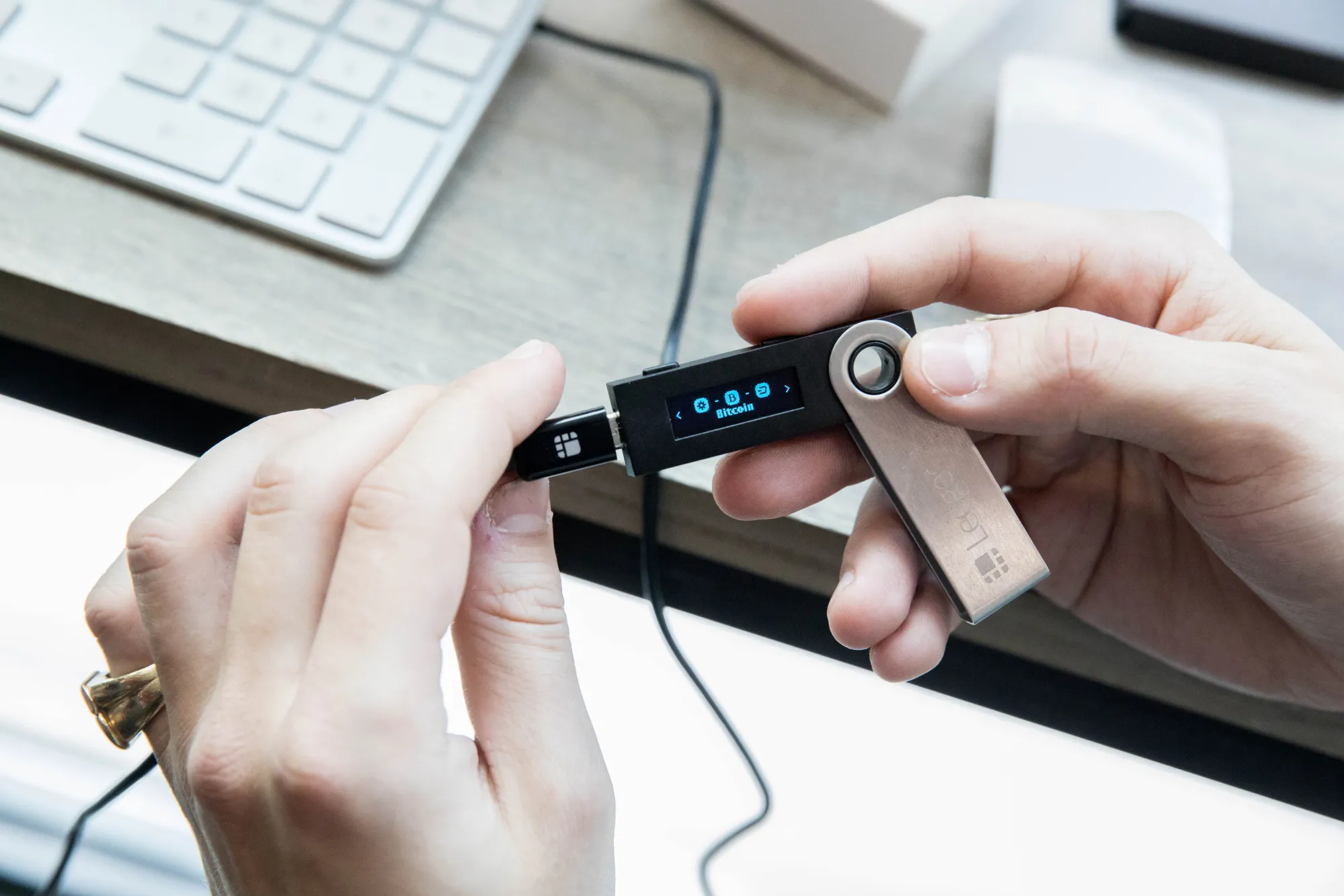
Our final shortlist includes wallets that excel in these areas. We tested Ledger Nano X for its broad compatibility, Trezor Model T for its advanced security features, and MetaMask for its dominance in the DeFi ecosystem. Each of these products has been vetted against our strict criteria to ensure they meet the demands of 2026’s crypto landscape.
Best overall crypto wallet: Ledger Flex
Ledger Flex stands out as the best overall crypto wallet for 2026, offering a balanced mix of high-security hardware and a modern e-ink display. This device addresses a common pain point in crypto management: verifying complex transaction details on small screens. By providing a larger, readable interface, it allows users to confirm addresses and amounts with confidence before signing.
The wallet utilizes a secure element chip to keep private keys isolated from internet-connected devices. This hardware-based security model ensures that even if your computer or phone is compromised, your assets remain protected. The e-ink screen is not just for show; it serves as a critical verification tool, reducing the risk of "address swap" malware that targets smaller, harder-to-read displays.
For most users, Ledger Flex delivers ideal daily utility without sacrificing the robust security standards expected from a hardware wallet. It supports a wide range of cryptocurrencies, making it a versatile choice for multi-chain portfolios. The combination of physical security and enhanced readability makes it the top recommendation for both new and experienced investors.


As an Amazon Associate, we may earn from qualifying purchases.
Best budget hardware wallet: Trezor Model One
The Trezor Model One remains the most accessible entry point into cold storage. At a price point that typically sits around $49, it offers a secure environment for self-custody without the premium cost of advanced features like touchscreens or Bluetooth connectivity. It is designed for users who prioritize security over convenience, making it an ideal choice for Bitcoin holders and those managing a straightforward portfolio of major altcoins.
Security is maintained through Trezor’s open-source firmware and secure element chip, which isolates private keys from the connected computer. This hardware approach ensures that even if your computer is infected with malware, your crypto assets remain protected. The device supports over 1,000 cryptocurrencies, covering Bitcoin, Ethereum, and most ERC-20 tokens, though it lacks the broader multi-chain support found in more expensive competitors like the Ledger Nano X or Trezor Safe 3.
The user experience relies on a simple two-button interface for transaction verification. While this can feel slower than tapping a touchscreen, it reinforces the physical confirmation required for high-stakes financial decisions. For beginners, the accompanying Trezor Suite software provides a clean dashboard to manage assets, though it requires a USB connection for every transaction, removing the convenience of wireless operations.
If you are ready to secure your Bitcoin and Ethereum holdings with the lowest-cost hardware solution available, check current availability on Amazon.

As an Amazon Associate, we may earn from qualifying purchases.
Best multi-chain software wallet: MetaMask
MetaMask remains the standard for browser-based multi-chain software wallets, particularly for users who interact frequently with decentralized applications on EVM-compatible chains. It functions as a gateway, allowing you to sign transactions and manage assets across Ethereum, Polygon, Arbitrum, Optimism, and many other networks without switching platforms. For anyone building or trading in the decentralized finance (DeFi) space, this accessibility is its primary value proposition.
The extension integrates directly into your browser, making it the most convenient option for NFT marketplaces and DeFi protocols that require instant wallet connections. While its user interface has evolved to include built-in token swapping and fiat on-ramps, the core experience remains centered on seamless multi-chain interaction. You can add new networks manually or import them via community resources, giving you control over which chains you can access.
However, convenience comes with trade-offs. As a hot wallet stored on your device and connected to the internet, it is more vulnerable to phishing attacks and browser-based exploits than hardware solutions. MetaMask has responded with features like the MetaMask Snaps platform, which allows developers to add advanced security layers and cross-chain bridges, but users must remain vigilant. Always verify URLs and avoid connecting to unverified dApps to protect your assets.
For those prioritizing multi-chain flexibility and ease of use over maximum security, MetaMask is the essential tool. It bridges the gap between traditional web browsing and the decentralized web, making it the default choice for millions of users navigating the 2026 crypto landscape.
Best crypto wallet features compared
Choosing a secure storage solution requires weighing specific capabilities against your daily needs. The table below contrasts three distinct approaches: a modern hardware device, a budget-friendly hardware option, and a popular software interface. This comparison highlights the trade-offs between physical security, asset variety, and ease of access.
Ledger Flex offers a high-resolution touchscreen and robust security for users managing diverse portfolios, while Trezor Model One provides essential cold storage at a lower entry point. MetaMask remains the standard for interacting with decentralized applications, though it relies on device security rather than isolated hardware.
Review the full details on Ledger and CoinLedger for updated compatibility lists.
Frequently asked questions about crypto wallets
What crypto should I hold in 2026?
Bitcoin remains the primary asset for most wallets due to its established status as the flagship token. With the continued flow of liquidity from traditional markets through spot ETFs, BTC offers the deepest liquidity and security infrastructure available today. While altcoins exist, Bitcoin is the essential holding for long-term storage and daily transactions alike.
Is a hardware wallet safer than a software wallet?
Hardware wallets like the Trezor Bitcoin Edition provide superior security for long-term storage by keeping private keys offline. Software wallets, such as Tangem or mobile apps, are more convenient for daily use but expose keys to potential digital threats. For significant holdings, a hardware wallet is the standard recommendation, while smaller amounts for frequent trading can remain in a reputable software wallet.
Can I store multiple cryptocurrencies in one wallet?
Yes, most modern wallets support multi-chain functionality. Ledger devices, for example, are widely used for storing a variety of coins beyond Bitcoin. When selecting a wallet, verify that it explicitly supports the specific tokens or blockchains you intend to use, as some hardware devices have limited native support for newer or niche assets.
No comments yet. Be the first to share your thoughts!