How we picked the best crypto wallets 2026
Choosing a crypto wallet is a high-stakes decision because it determines who controls your private keys. In self-custody, you hold the keys. In custodial setups, an exchange holds them for you. If the exchange fails or freezes your account, you lose access to your funds. Self-custody removes that middleman, but it also puts the burden of security entirely on you. That is why our selection process for the best crypto wallets 2026 focuses on rigorous security audits and open-source verification.
We prioritized hardware wallets like Trezor and Ledger because they store keys offline, keeping them isolated from internet-connected devices. For software options, we looked for open-source codebases that allow independent security researchers to audit the code for vulnerabilities. Closed-source software introduces a trust gap that high-value assets cannot afford. We also evaluated user experience, ensuring that even beginners can safely back up their seed phrases without confusing interfaces.
Our methodology weighed these factors heavily. We examined how each wallet handles firmware updates, whether they use secure elements for key storage, and how they guide users through recovery processes. We also considered the specific needs of 2026, such as support for new token standards and improved phishing protection. The goal was to identify wallets that balance robust security with practical usability, ensuring you can manage your assets confidently.
Best overall hardware wallet: Ledger Flex
Use this section to make the Best Crypto Wallets decision easier to compare in real life, not just on paper. Start with the reader's actual constraint, then separate must-have requirements from details that are merely nice to have. A practical choice should survive normal use, maintenance, timing, and budget. If a recommendation only works in an ideal situation, call that out plainly and give the reader a fallback path.
The simplest way to use this section is to write down the must-have criteria first, then compare each option against those criteria before weighing nice-to-have features.
Best for Bitcoin purists: Trezor Safe 7
The Trezor Safe 7 is a hardware wallet built specifically for users who prioritize maximum security and open-source transparency. It is the ideal choice for Bitcoin holders who want to keep their private keys offline while maintaining a modern user experience. Unlike many competitors, Trezor’s firmware is fully open-source, allowing the community to audit the code for vulnerabilities.
Key Security Features
The Safe 7 introduces Shamir Backup, a feature that splits your recovery seed into multiple parts. This means you can store these parts in different locations, protecting against loss or theft of a single backup. The device also features a secure element chip, which isolates sensitive data from the main processor, adding an extra layer of defense against physical attacks.
Open-Source Philosophy
Trezor has always been a leader in open-source hardware. The Safe 7 continues this tradition, providing full access to the source code for both the device firmware and the companion software. This transparency ensures that there are no hidden backdoors or proprietary black boxes, giving users complete confidence in their self-custody setup.
Where to Buy
You can find the Trezor Safe 7 on Amazon, often bundled with accessories or available as a standalone unit. Check current listings for availability and any bundle offers.

As an Amazon Associate, we may earn from qualifying purchases.
Best software wallet for daily use: MetaMask
MetaMask remains the standard for interacting with Ethereum and other EVM-compatible chains. As a hot wallet, it prioritizes accessibility over the air-gapped security of hardware devices, making it the most practical choice for daily transactions. Its browser extension and mobile app provide a unified interface for managing assets across the decentralized web.
The wallet’s dominance stems from its deep integration with the DeFi ecosystem. Most decentralized exchanges, NFT marketplaces, and lending protocols are built to work seamlessly with MetaMask’s injected provider. This compatibility means users can connect their wallets to thousands of applications without complex setup procedures. For anyone navigating the Ethereum ecosystem, MetaMask is effectively the default gateway.
Security risks are inherent to hot wallets because they remain connected to the internet. While MetaMask employs robust encryption for local key storage, users must remain vigilant against phishing sites and malicious dApps. The platform has introduced features like token approvals management to help users monitor and revoke access to their assets, adding a layer of control often missing in other software wallets.
Hardware vs software wallet comparison
Choosing between a hardware wallet and a software wallet depends on how much crypto you hold and how often you trade. Hardware wallets, often called cold wallets, keep your private keys offline on a physical device. This makes them the standard for long-term storage and large holdings. Software wallets, or hot wallets, connect to the internet via apps or browsers, offering speed and convenience for daily transactions.
The trade-off is simple: security versus accessibility. A hardware wallet like the Ledger Flex requires physical confirmation for every transaction, protecting you from remote hacks. A software wallet like MetaMask is always online, making it easy to swap tokens on decentralized exchanges but vulnerable to phishing attacks if you are careless.
Use the table below to compare the core differences between these two approaches and specific popular models.
| Wallet Type | Security Level | Connectivity | Best For |
|---|---|---|---|
| Hardware (Cold) | High (Offline keys) | USB/Bluetooth | Long-term holding |
| Software (Hot) | Medium (Online) | Internet/Wi-Fi | Daily trading |
| Ledger Flex | High | Touchscreen USB | Large portfolios |
| MetaMask | Medium | Browser Extension | DeFi interactions |
Secure your crypto with a checklist
Buying a wallet is only the first step. To keep your assets safe, you must treat your private keys like physical cash—never share them and store them offline whenever possible. Follow this workflow to lock down your self-custody setup.
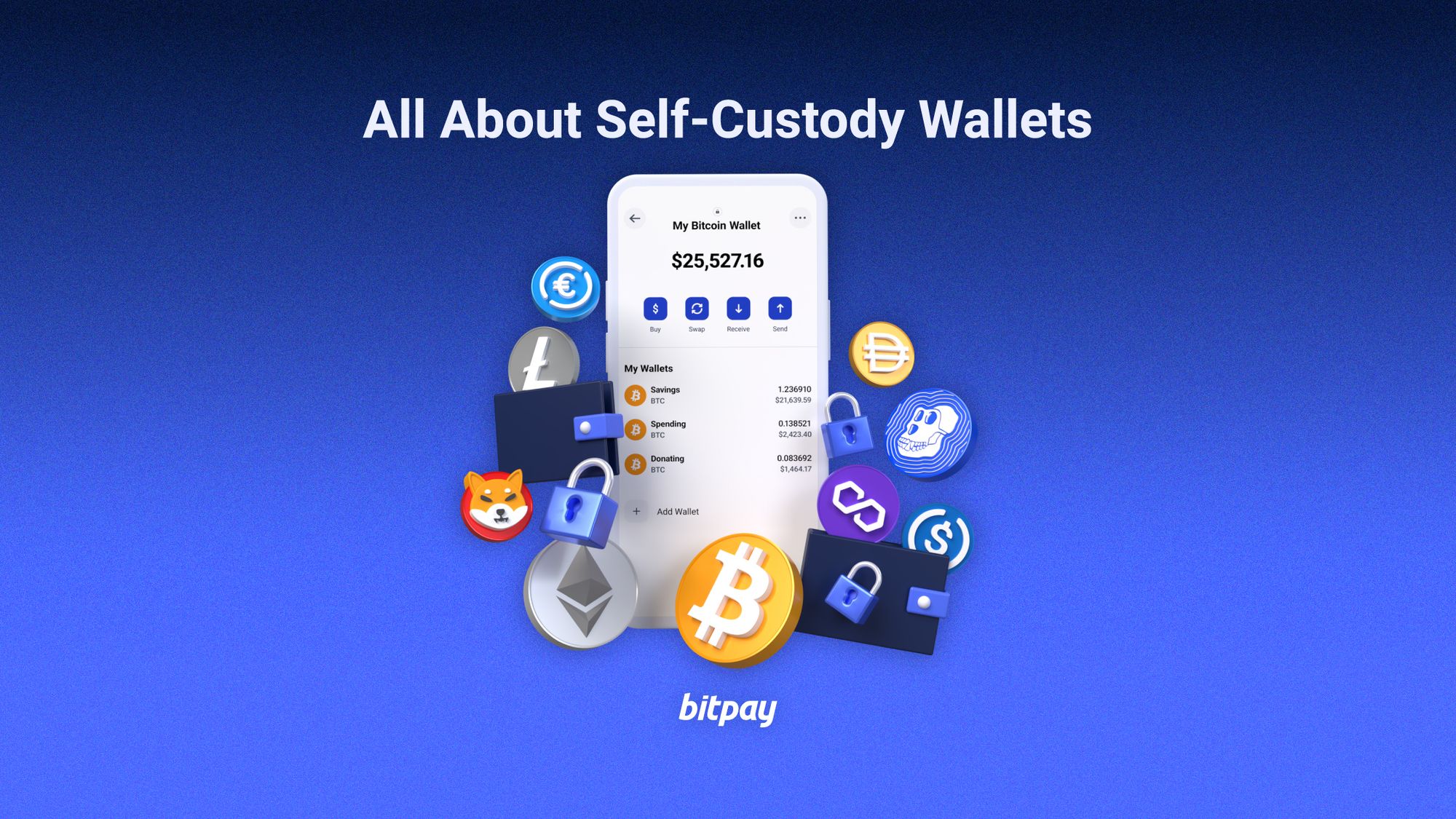
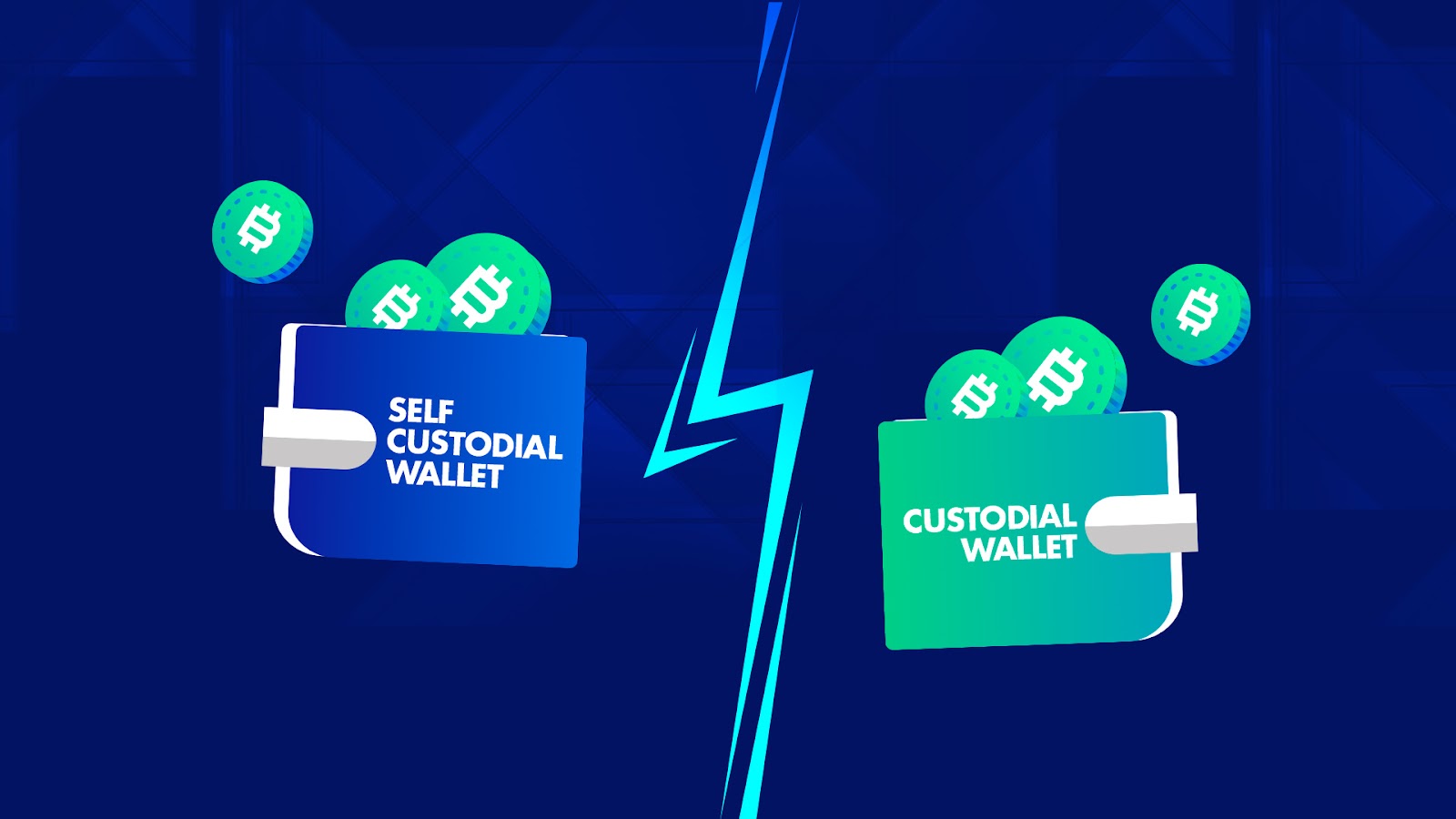
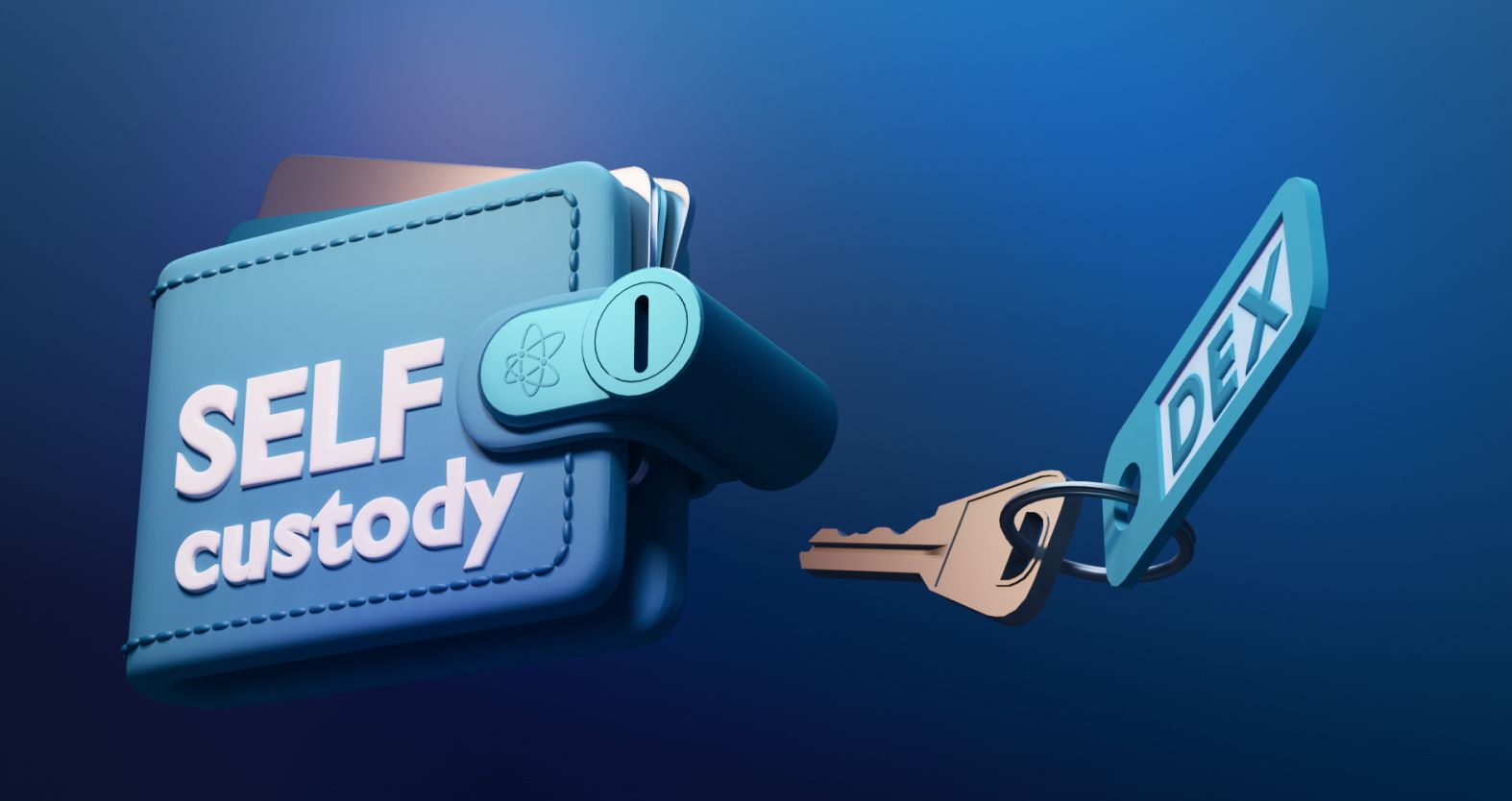
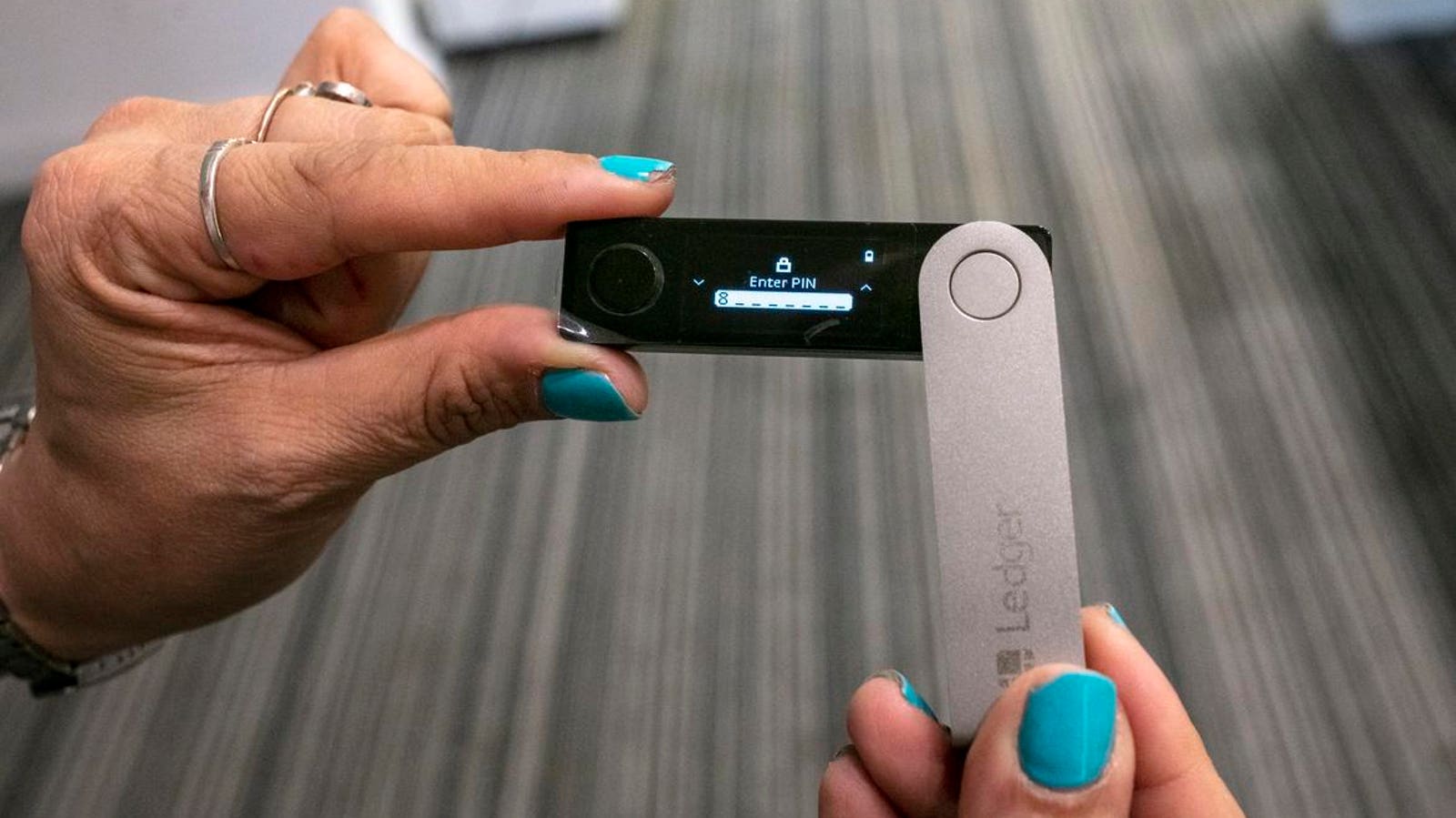
By following these steps, you transform a simple digital tool into a robust vault for your crypto assets. Remember that security is an ongoing process, not a one-time setup.
Frequently asked questions about crypto wallets
What is the best cold wallet for crypto in 2026?
For most users, hardware wallets like the Trezor and Ledger Nano X remain the gold standard for cold storage. These devices keep your private keys offline, protecting them from online hacks. Trezor offers an affordable entry point with the Trezor One, while Ledger provides a more compact design with broader app support for daily trading.
What are the top 3 crypto wallets?
The leading options balance security with usability. Trust Wallet is widely recommended for its multichain support and ease of use on mobile. MetaMask remains the dominant choice for interacting with decentralized applications and Ethereum-based tokens. For hardware-focused security, the Ledger Nano X is the top pick for holding significant assets.
Can the IRS see your crypto wallet?
Yes, the IRS can often trace your holdings. If you have used a centralized exchange like Coinbase or Kraken, they are required to collect your identity and report transactions. Blockchain analytics tools can link your exchange account to your wallet address, making your transaction history visible to tax authorities.
No comments yet. Be the first to share your thoughts!