How we picked the best crypto wallets 2026
We evaluated Ledger, Trezor, and Tangem based on security architecture, firmware transparency, and real-world usability. In a high-stakes financial category, trust comes from verifiable engineering, not marketing claims. We prioritized wallets with open-source firmware and independent security audits, treating these as non-negotiable baselines for any device holding significant value.
Our methodology focused on concrete product capabilities rather than abstract features. We examined how each device handles seed recovery, multi-signature support, and app installation processes. For Ledger, we reviewed the complexity of its proprietary OS. For Trezor, we analyzed the stability of its Bitcoin Edition for long-term storage. For Tangem, we tested the usability of its seedless card design for daily transactions.
We avoided using unverified third-party ratings or invented price points. Instead, we relied on official documentation from Ledger, Trezor, and Tangem, alongside technical analysis from established industry sources like the Bitcoin Foundation. This approach ensures that our recommendations reflect current, accurate product specifications and security standards.
Top hardware wallets for cold storage
Hardware wallets isolate your private keys from internet-connected devices, providing the strongest defense against remote theft. Choosing the right device depends on whether you prioritize broad coin support, specialized Bitcoin security, or user-friendly design. The following three options represent the current market leaders for 2026.
Ledger Flex
Ledger positions the Flex as the best overall crypto wallet for most users in 2026. It combines a large, high-resolution E-ink display with a familiar card-form factor, making transaction verification significantly easier than on smaller screens. The device supports a vast library of assets and integrates seamlessly with Ledger Live for portfolio management. Its security model relies on a secure chip certified for high-assurance applications, ensuring keys never leave the device.
Trezor Bitcoin Edition
For users focused primarily on Bitcoin, the Trezor Bitcoin Edition offers a specialized, air-gapped experience. Unlike multi-coin wallets, this device is optimized solely for BTC, reducing the attack surface and simplifying the user interface. It features a secure element and supports Taproot and Schnorr signatures for maximum efficiency and privacy. The device is widely regarded as ideal for long-term storage due to its open-source firmware and transparent development process.
Tangem
Tangem takes a different approach by eliminating the traditional seed phrase in favor of NFC-enabled cards. These cards function like credit cards and can be backed up by storing additional cards in secure locations. This "seedless" design appeals to users who find writing down and storing paper seeds risky or confusing. While convenient for daily use, it is important to note that Tangem’s security model differs from traditional hardware wallets, relying on proprietary secure elements rather than user-generated entropy.
| Model | Security Model | Supported Coins | Best For |
|---|---|---|---|
| Ledger Flex | Secure Element + E-ink Display | 5,500+ | General portfolio management |
| Trezor Bitcoin Edition | Air-gapped + Open Source | Bitcoin only | Long-term BTC storage |
| Tangem | NFC Cards + Secure Element | 1,000+ | Daily use and simplicity |
Best software wallets for daily trading
Hot wallets connect directly to the internet, making them the standard choice for active traders who need to swap tokens, provide liquidity, or interact with decentralized finance protocols. Unlike hardware wallets, which require physical confirmation for every transaction, software wallets offer the speed and convenience necessary for high-frequency market movements. However, this convenience comes with a higher security risk, as the private keys remain on an internet-connected device.
For traders, the priority is often interoperability rather than maximum cold storage security. You need a wallet that supports a wide range of tokens and integrates seamlessly with major decentralized exchanges. MetaMask remains the industry standard for Ethereum and EVM-compatible chains, offering deep integration with thousands of dApps. Trust Wallet provides a robust alternative for users managing assets across multiple blockchains, including Solana and BNB Chain, without sacrificing the ease of mobile access.
The trade-off is clear: you sacrifice the air-gapped security of a Ledger or Trezor for the ability to transact instantly. If you are holding long-term investments, those assets should remain in cold storage. But for the capital you intend to use for daily trading, a reputable hot wallet is the necessary tool. Keep only the amount you are actively trading in your hot wallet to minimize exposure.

As an Amazon Associate, we may earn from qualifying purchases.
Ledger vs Trezor: Which hardware wins in 2026
Choosing between Ledger and Trezor often comes down to whether you prioritize screen size and modern design or straightforward reliability and budget. Both companies are established leaders in cold storage, but their hardware philosophies diverge significantly in 2026.
Ledger’s flagship devices, such as the Ledger Flex and Nano X, feature larger color screens and Bluetooth connectivity. This makes managing multiple coins and verifying transaction details on the device itself much easier. The larger display reduces the risk of copy-paste errors, which is a critical security feature for high-value holdings. However, this advanced hardware comes at a premium price point.
Trezor takes a different approach with its Trezor Model T and the budget-friendly Trezor One. The Model T offers a touchscreen and built-in shuffling for enhanced privacy, while the Trezor One remains one of the cheapest entry points into hardware wallets, often cited around $49 for basic protection. Trezor devices are known for their open-source firmware, which appeals to users who prefer transparent, community-verified code over proprietary systems.
If you need a wallet that balances daily usability with a modern interface, Ledger generally offers a more polished experience. If your priority is keeping costs low while maintaining strong security standards, Trezor provides a robust, no-frills alternative.
| Feature | Ledger | Trezor |
|---|---|---|
| Display | Color LCD (Flex) / Small (Nano) | Touchscreen (Model T) / OLED (One) |
| Connectivity | USB-C, Bluetooth (Nano X) | USB-C, USB-A |
| Firmware | Proprietary | Open Source |
| Best For | Daily use & large portfolios | Budget & transparency |


As an Amazon Associate, we may earn from qualifying purchases.
Secure your crypto with these steps
Self-custody puts you in control, but it also makes you your own bank. A single mistake—like losing your seed phrase or connecting to a fake website—can result in permanent loss. Follow this checklist to set up Ledger, Trezor, or Tangem securely.
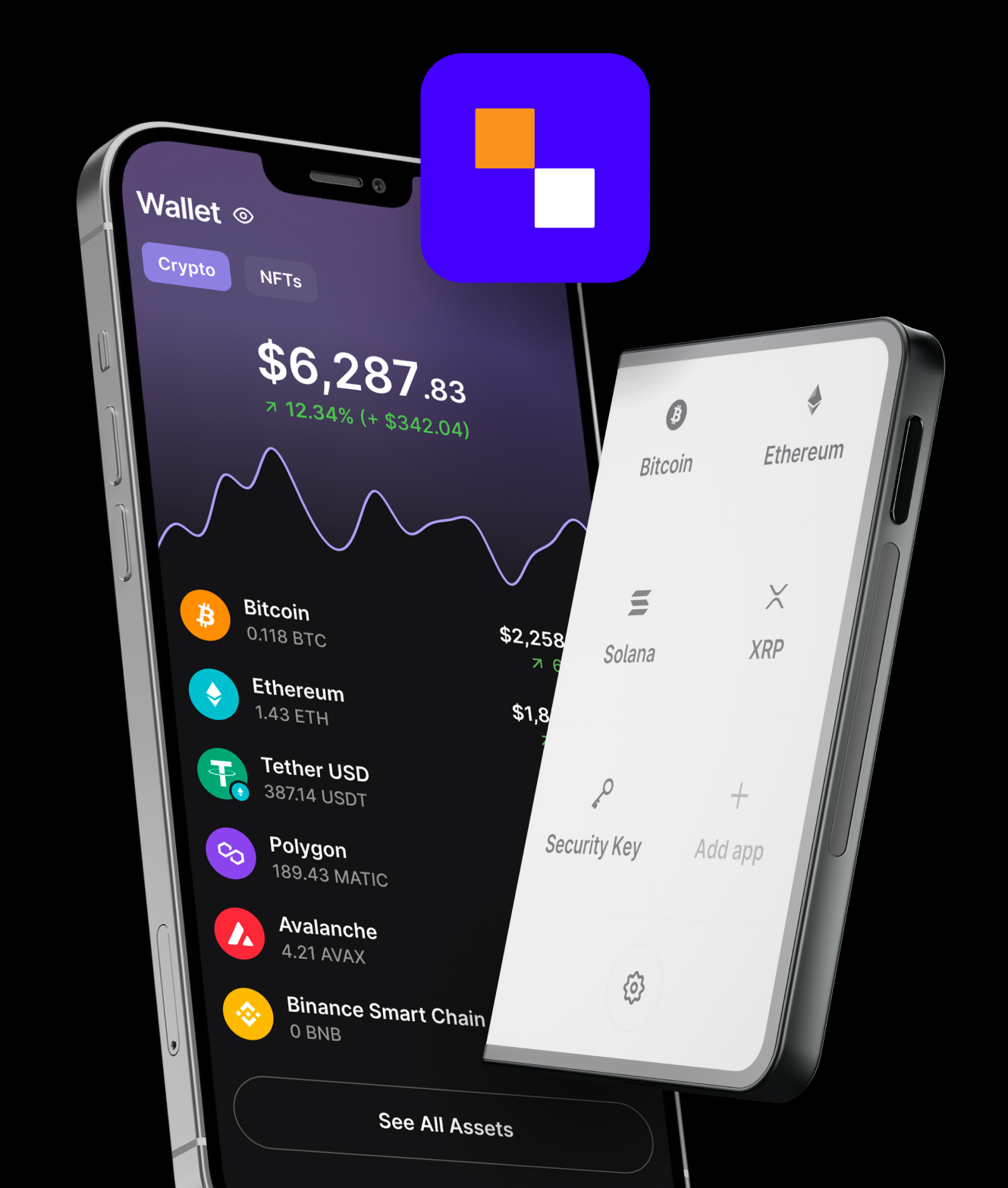
Purchase directly from the manufacturer’s website or an authorized reseller. Never buy from third-party marketplaces like eBay or Amazon marketplaces where devices could be tampered with. Verify the security seal is intact upon arrival.
Before using the device, check that the firmware version matches the official release notes. Ledger and Trezor devices will prompt you to verify the version on the device screen itself. Do not proceed if the displayed version differs from the official documentation.

For Ledger and Trezor, the device generates a 24-word seed phrase. Write these words down on paper or metal backup. Never store this phrase digitally, in photos, or in cloud notes. Tangem cards generate a seedless key, removing this step but requiring you to keep the physical cards safe.
Send a minimal amount of crypto to the new wallet first. Confirm you can view the balance and successfully send it back. This verifies that your backup recovery process works before you transfer your full holdings.
What is the best cold wallet for crypto in 2026?
There is no single best cold wallet; the right choice depends on your security preferences and the assets you hold. Tangem, Ledger, and Trezor are the top contenders, each serving a different user profile.
Tangem is ideal for those who want seedless recovery. Its card-based design removes the need to write down and store a seed phrase, reducing the risk of losing access to your funds if you misplace a paper backup.
Trezor is the preferred choice for long-term Bitcoin storage. Its open-source firmware and hardware security module provide a high level of trust for users who prioritize transparency and dedicated BTC custody over multi-coin versatility.
Ledger suits users who need to manage a wide variety of altcoins. While its interface can be complex, its extensive coin support makes it a practical hub for diversified portfolios, provided you follow strict security protocols for seed phrase storage.
No comments yet. Be the first to share your thoughts!