How we picked the best wallets
Selecting a self-custody wallet in 2026 requires more than comparing features; it demands a rigorous audit of security architecture and real-world usability. Our evaluation process prioritizes wallets that have undergone independent security audits and maintain transparent, open-source firmware. This approach ensures that the code protecting your assets is visible to the community and has been vetted by experts.
We focused on concrete products rather than abstract categories. For instance, the Ledger Flex was selected for its balance of readability and daily functional utility, while the Trezor Safe 7 was evaluated for its robust hardware security module. These specific models represent the current standard for secure self-custody, offering the reliability needed for significant financial holdings.
Our criteria exclude wallets with closed-source code or those lacking verifiable security track records. By relying on official source claims and primary research, we ensure that every recommendation stands up to scrutiny. This methodical selection process helps you avoid common pitfalls and choose a wallet that truly secures your digital assets.
Top hardware wallets for cold storage
Hardware wallets are the gold standard for high-value, long-term storage. By keeping private keys offline, these devices protect your assets from online hacks, phishing attacks, and malware. For significant holdings, cold storage is not just a recommendation—it is a necessity.
Ledger Flex
Ledger positions the Flex as the best overall hardware wallet for most users in 2026. It offers a modern, flexible OLED touchscreen that improves readability and daily functional utility compared to older button-based models. This device supports a wide range of cryptocurrencies, making it a versatile choice for diversified portfolios. The Ledger Live software provides a robust interface for managing your assets securely.
Trezor Safe 7
Trezor has long been a trusted name in self-custody, and the Safe 7 continues that legacy with enhanced security features. It includes a secure element chip, similar to what is found in passports and credit cards, to protect against physical tampering. The Trezor Safe 7 is particularly well-regarded for Bitcoin storage, offering a clean, intuitive interface for managing BTC. Its open-source nature allows for independent verification of its security claims.
Tangem
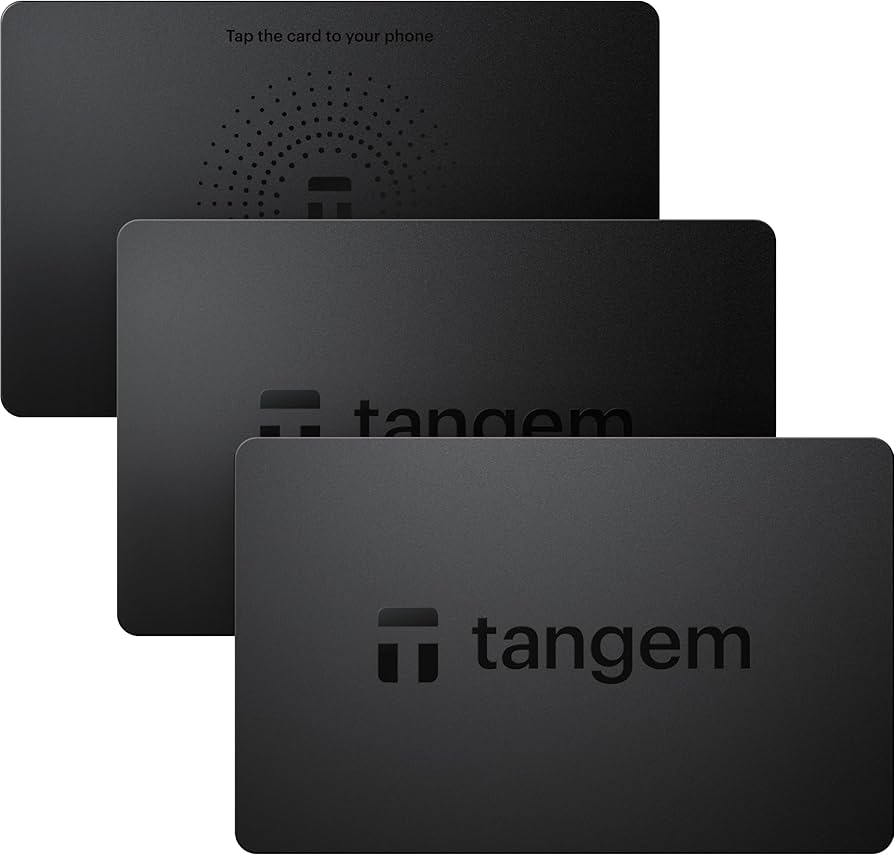
Tangem takes a different approach by eliminating the need for a dedicated device. Instead, it uses card-shaped tokens that interact with your smartphone via NFC. This design makes it exceptionally user-friendly for beginners or those who prioritize convenience. While some purists prefer the dedicated hardware of Ledger or Trezor, Tangem’s simplicity and durability make it a strong contender for daily use and smaller holdings. It is important to note that Tangem cards are not recoverable if lost, so backup management is critical.


As an Amazon Associate, we may earn from qualifying purchases.
Best software wallets for daily trading
Hot wallets are internet-connected software applications designed for frequent transactions. They prioritize speed and DeFi accessibility over the cold-storage isolation of hardware devices. For traders executing daily moves, the convenience of instant access often outweighs the heightened security risks, provided the user understands the trade-offs.
MetaMask
MetaMask remains the dominant gateway for Ethereum and EVM-compatible networks. Its browser extension and mobile app allow seamless interaction with decentralized exchanges (DEXs) and lending protocols. The wallet integrates AI-driven features, such as transaction simulation, to flag potential scams before signing. While it supports a vast ecosystem, its interface can feel cluttered for beginners navigating complex multi-chain environments.
Trust Wallet
Trust Wallet offers broad multichain support, handling assets across Bitcoin, Ethereum, Solana, and Binance Smart Chain from a single interface. It is particularly strong for users who trade across disparate networks without needing multiple wallets. The built-in DeFi browser and staking options make it a comprehensive tool for active holders. Security relies on the device’s OS, making phone-level hygiene critical for fund safety.
Exodus
Exodus provides a polished, user-friendly interface that simplifies portfolio tracking and trading. It supports over 250 assets and includes an integrated exchange for swapping tokens without leaving the app. The desktop version offers robust portfolio analytics, helping traders visualize exposure across different coins. While less customizable for advanced DeFi power users, its ease of use makes it a solid choice for those prioritizing clarity over granular control.
| Wallet | Chains | AI Tools | Security |
|---|---|---|---|
| MetaMask | EVM | Simulation | Software |
| Trust Wallet | Multi | Basic | Software |
| Exodus | Multi | None | Software |
AI integration and multi-chain support
The 2026 wallet landscape has shifted from simple storage to active portfolio management. Modern hardware devices now integrate AI-driven insights that analyze transaction patterns and flag potential security risks before a signature is approved. This evolution addresses the growing complexity of managing assets across dozens of blockchains without exposing private keys to centralized intermediaries.
Hardware leaders like the Ledger Flex and Trezor Safe 7 have embedded these capabilities directly into their interfaces. The Ledger Flex, often cited as the best overall crypto wallet in 2026, uses its dual-screen design to display AI-generated context for complex smart contract interactions. Similarly, the Trezor Safe 7 incorporates secure element technology to process multi-chain data locally, ensuring that AI-driven warnings never leave the device’s protected environment.
This integration is critical for high-stakes security. As multi-chain operations become the norm, the risk of signing a malicious transaction on the wrong network increases. AI tools now provide real-time validation, checking contract code against known exploit databases and highlighting unusual gas fees. For users managing significant holdings, this layer of automated scrutiny acts as a second set of eyes, reducing human error in an increasingly fragmented ecosystem.
Frequently asked questions about wallets
What is the best crypto wallet in 2026?
For most users, Ledger Flex is the best overall crypto wallet in 2026. It delivers an ideal blend of readability, daily functional utility, and modern accessibility. Its flexible screen adapts to your hand, making transaction verification clearer than traditional rigid displays. This balance of security and usability makes it the top pick for active holders.
What crypto to hold in 2026?
Ripple (XRP) is gaining adoption among financial institutions and is considered one of the best crypto tokens to invest in 2026. XRP is trading near $1.35, oscillating close to its key EMAs. A daily close above $1.40 is required to potentially stabilize the structure. Holders should secure these assets in a trusted hardware wallet like the Trezor Safe 7 for long-term storage.
What is the difference between hot and cold wallets?
Hot wallets, like MetaMask, are connected to the internet for quick transactions. Cold wallets, such as the Ledger Flex or Trezor Bitcoin Edition, keep private keys offline. Tangem is great for daily use due to its card-like design, while Trezor is ideal for long term BTC storage. Choose cold storage for significant holdings to minimize hack risks.
No comments yet. Be the first to share your thoughts!