Crypto wallets 2026 budget
Best Crypto Wallets for works best when the purchase path is explicit. Verify the source, compare the offer against real alternatives, check the total cost, and confirm what happens after payment before you decide. After each comparison, write down the one risk that would change your mind. If the seller, condition, support, warranty, shipping, or upkeep still feels uncertain, resolve that question before moving to checkout.
The simplest way to use this section is to verify the seller, compare the total cost, and resolve the biggest risk before you commit.
Shortlist real options
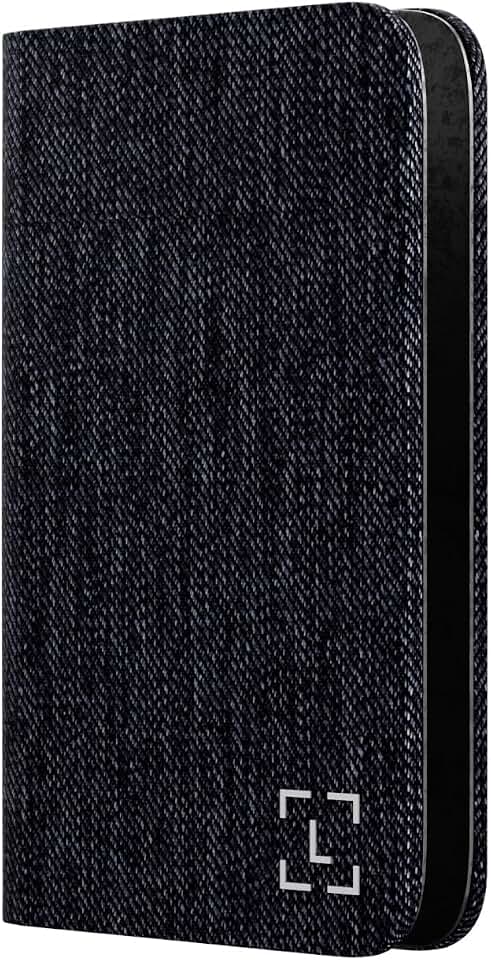
Choosing the best crypto wallet in 2026 means balancing offline security with daily usability. The Ledger Stax remains the top pick for combining offline key storage with a secure element and an intuitive interface. It offers a reliable hardware foundation for long-term holding.
For mobile-first users, Trust Wallet and Phantom provide robust multi-chain support. Trust Wallet handles a wide array of tokens across different networks, while Phantom excels in the Solana ecosystem with a streamlined experience for staking and trading.
We compare these options side-by-side to highlight their distinct strengths. Use the table below to match your storage needs with the right tool.
| Wallet | Type | Best For | Multi-Chain |
|---|---|---|---|
| Ledger Stax | Hardware | Offline Security | Yes |
| Trust Wallet | Mobile | Multi-Chain Support | Yes |
| Phantom | Mobile | Solana Ecosystem | Yes |
| Coinbase Wallet | Software | Beginner Friendly | Yes |
The choice ultimately depends on your risk tolerance. Hardware wallets like Ledger offer the highest security for large holdings. Software wallets like Trust Wallet offer speed and convenience for active traders. Consider where your assets live and how often you need to access them.
Inspect the expensive parts
Use this section to make the Best Crypto Wallets for decision easier to compare in real life, not just on paper. Start with the reader's actual constraint, then separate must-have requirements from details that are merely nice to have. A practical choice should survive normal use, maintenance, timing, and budget. If a recommendation only works in an ideal situation, call that out plainly and give the reader a fallback path.
-
Verify the basicsConfirm the core specs, condition, and fit before comparing extras.
-
Price the downsideLook for the repair, maintenance, or replacement cost that would change the decision.
-
Compare alternativesCheck at least two comparable options before treating one listing as the benchmark.
Ownership costs go beyond the sticker price
A crypto wallet is not a one-time purchase; it is a utility with recurring maintenance requirements. The cheapest hardware wallet often demands more time and attention to keep operating securely. When you factor in replacement costs, software subscriptions, and the hidden expense of user error, the initial savings can evaporate quickly.
Firmware updates and hardware longevity
Hardware wallets require regular firmware updates to patch security vulnerabilities. If a manufacturer abandons a model after a few years, you must migrate your keys to a new device, which carries the risk of human error during the backup process. Ledger and Trezor have established track records for long-term support, but cheaper, lesser-known brands may leave you stranded with obsolete hardware.
Software and subscription fees
While the hardware itself is a one-time cost, the software ecosystem often introduces recurring fees. Some wallets charge monthly subscriptions for advanced features like staking rewards or multi-signature capabilities. Others rely on transaction fees that vary by blockchain network. Always check if the wallet’s interface requires a paid tier to access essential security features or multi-chain support.
The cost of mistakes
The most expensive wallet is the one you lose or compromise. A poorly designed interface can lead to sending funds to the wrong address or approving malicious transactions. When evaluating wallets, prioritize usability and security audits over low prices. A slightly more expensive device with a clear interface and strong community support often saves money by preventing costly errors.


As an Amazon Associate, we may earn from qualifying purchases.
Crypto wallets 2026: what to check next
Here are the practical answers to the most common questions about choosing and using a crypto wallet in 2026.
What is the best crypto wallet in 2026?
Ledger Stax is the best crypto wallet in 2026 for combining offline key storage, secure element hardware, and an easier-to-use interface than previous models. It supports a wide range of assets and offers staking capabilities directly from the device.
What is the most trusted crypto wallet?
Ledger, Trezor, and MetaMask are the most trusted crypto wallets. Ledger and Trezor are hardware wallets that keep your private keys offline, while MetaMask is a widely used software wallet for interacting with decentralized applications.
Can the IRS see your crypto wallet?
The IRS cannot directly see your private keys or transaction history within your wallet. However, if you use a centralized exchange like Coinbase or Binance, these platforms report your transactions to the IRS. Always keep accurate records of your trades and transfers to stay compliant.
What crypto is going to explode in 2026?
It is impossible to predict which specific cryptocurrency will "explode" in 2026. The market is highly volatile and influenced by regulatory changes, technological advancements, and global economic conditions. Focus on projects with strong fundamentals and real-world utility rather than speculative hype.
No comments yet. Be the first to share your thoughts!