Budget Crypto Wallets for 2026
Not every self-custody solution requires a premium price tag. In 2026, the gap between entry-level hardware and high-end models has narrowed, but the tradeoffs remain clear. You are balancing physical durability, screen real estate, and specific security features against your initial outlay.
For most beginners, a basic hardware wallet handles the core function: signing transactions offline. Devices in the $50–$100 range offer the same cryptographic security as those costing double. The difference usually lies in the user interface, battery life, and whether the device supports larger screens for easier address verification.
If you are storing only Bitcoin or Ethereum, a compact, no-frills device is sufficient. However, if you manage a diverse portfolio of altcoins or plan to interact with AI-integrated assets that require complex smart contract interactions, a device with a larger display and broader app support becomes more valuable. Check the official compatibility lists before buying, as some budget models drop support for newer token standards.


As an Amazon Associate, we may earn from qualifying purchases.
Shortlist real options
Choosing a self-custody solution in 2026 requires balancing security with usability. The market has shifted from simple Bitcoin storage to supporting complex, AI-integrated assets and multi-chain ecosystems. Below we compare the strongest contenders based on verified hardware specs, software features, and real-world user feedback.
Ledger Stax
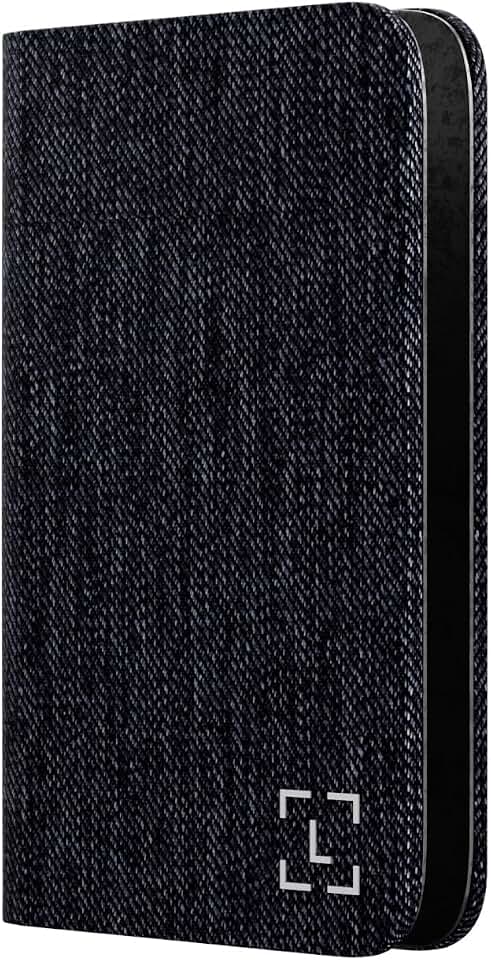
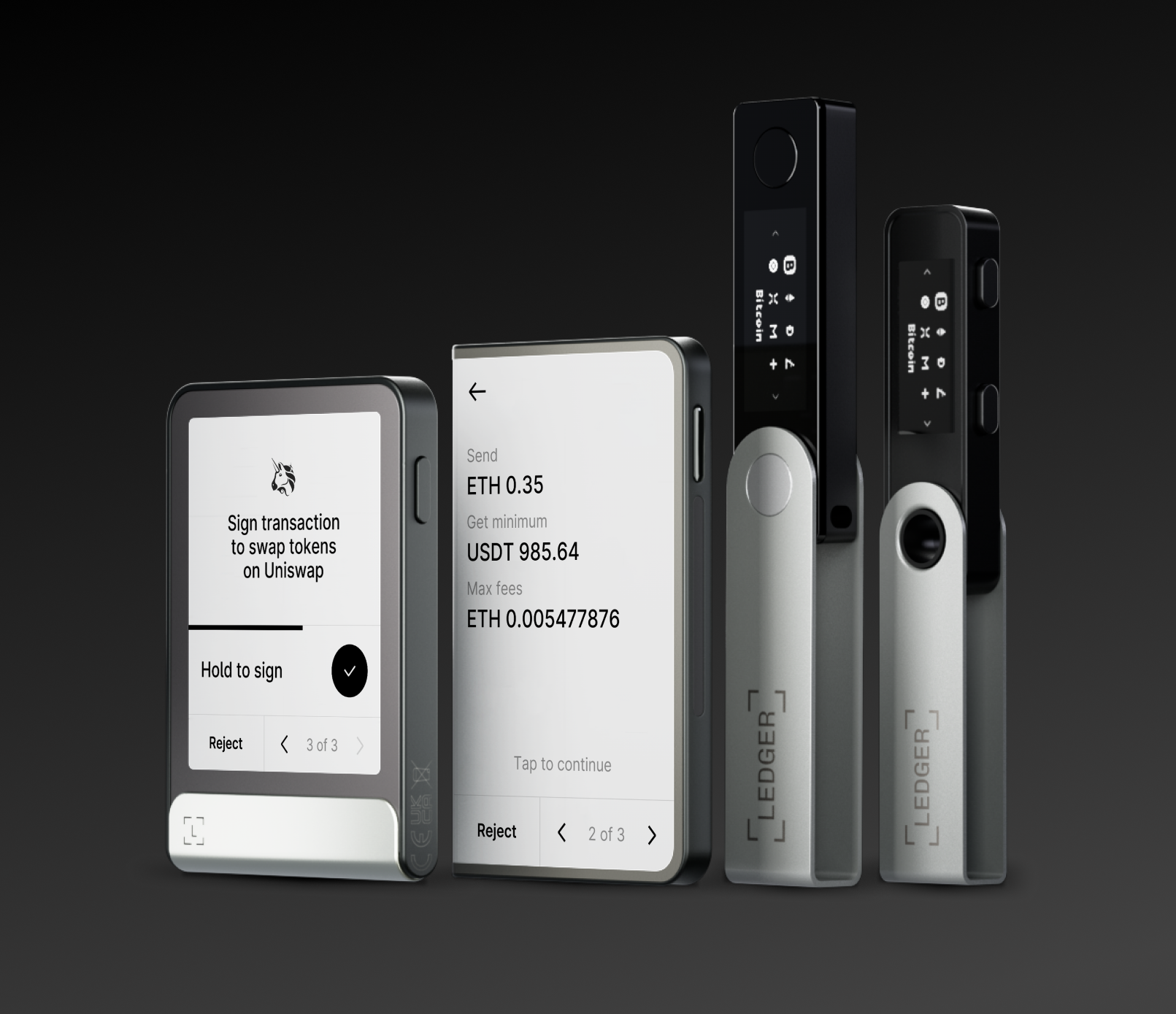
Ledger continues to dominate the hardware segment with the Stax, featuring a curved E-ink touchscreen that makes signing transactions clearer and more intuitive. It retains the certified Secure Element chip found in their previous models, ensuring that your private keys never leave the device. This model is particularly strong for users holding a diverse portfolio of NFTs and tokens, as the large screen allows for better visual verification of transaction details before approval.
Trezor Model T
The Trezor Model T remains a top choice for those prioritizing open-source transparency and tactile interaction. Its capacitive touchscreen and physical keypad offer a distinct advantage in verifying transaction data, reducing the risk of copy-paste errors or malicious clipboard hijacking. While its interface is less modern than Ledger’s, the Model T’s robust support for over 1,800 coins and native staking capabilities makes it a versatile option for serious holders.
Rabby Wallet
For users who prefer software-based management without sacrificing security, Rabby Wallet stands out as a specialized browser extension. It acts as a dashboard for decentralized applications, providing real-time transaction previews that warn users of potential risks before they sign. This proactive approach to security makes it ideal for active DeFi users who interact with multiple protocols daily, offering a layer of protection that standard wallets often lack.
Comparison of Top Self-Custody Solutions
The table below highlights the core differences between these leading options. Hardware wallets provide the highest security for long-term storage, while software solutions like Rabby offer convenience for frequent traders.
| Wallet | Type | Security Feature | Best For |
|---|---|---|---|
| Ledger Stax | Hardware | Secure Element + E-ink | Multi-asset & NFTs |
| Trezor Model T | Hardware | Open Source + Keypad | Transparency & Staking |
| Rabby Wallet | Software | Transaction Preview | DeFi & Active Trading |
Key Takeaways
- Hardware is essential for large holdings: Devices like Ledger and Trezor keep keys offline, protecting them from remote hacks.
- Software offers speed for active use: Rabby’s transaction preview feature helps avoid costly mistakes in DeFi protocols.
- Verify before signing: Regardless of the wallet, always double-check transaction details on the device or interface.

As an Amazon Associate, we may earn from qualifying purchases.
Inspection Checklist for Expensive Failure Points
Most crypto wallet failures aren't caused by complex hacking attempts; they stem from simple hardware defects or user error during setup. Since you are moving assets that could represent years of labor, treating your wallet like any other consumer gadget is a costly mistake. This section breaks down the critical inspection steps to ensure your self-custody solution is secure before you send a single satoshi.
Open the package in a clean, well-lit area. Check that the security seal is intact and unbroken. Inspect the device casing for scratches, gaps, or signs of tampering. A compromised seal often indicates the device was intercepted and potentially modified before reaching you. If anything feels off, do not proceed.
High-end hardware wallets use a Certified Secure Element (SE) chip, similar to those in passports and credit cards, to isolate private keys. Verify that your device explicitly lists this certification. This chip ensures that even if the main processor is compromised, the keys remain locked away. Without an SE, your private keys are exposed to software-level attacks.

Never use a pre-generated seed phrase. Always generate your recovery phrase directly on the device. Write down the 12 or 24 words on the provided steel or paper backup, not on a digital device. Double-check each word against the device screen. A single typo here is irreversible and means permanent loss of access to your funds.
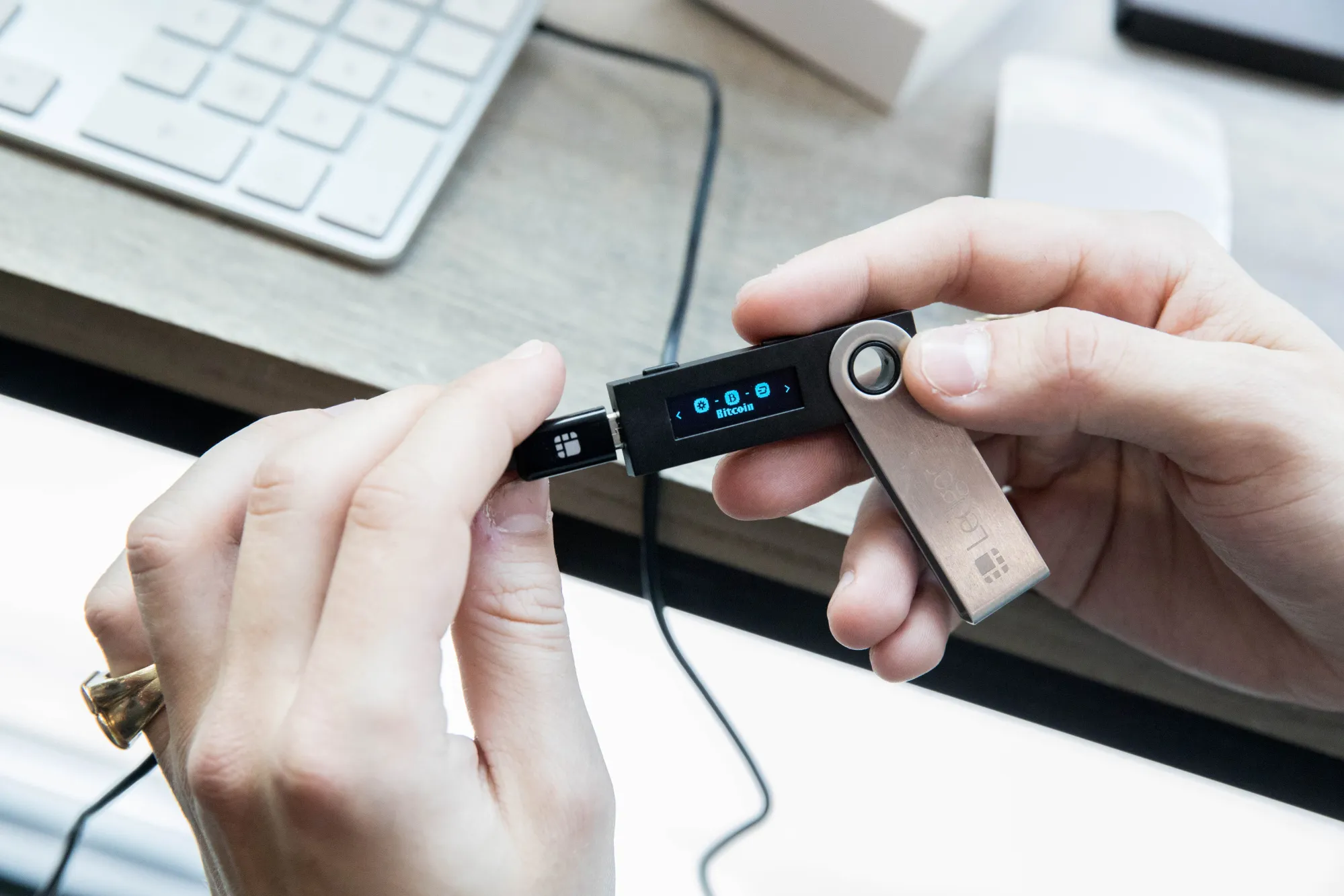
Before using the wallet, check the firmware version against the official manufacturer’s website. Ensure the version displayed on the device matches the latest official release. Do not install firmware from third-party sources or unofficial mirrors. Tampered firmware can silently redirect your transactions to attacker-controlled addresses.
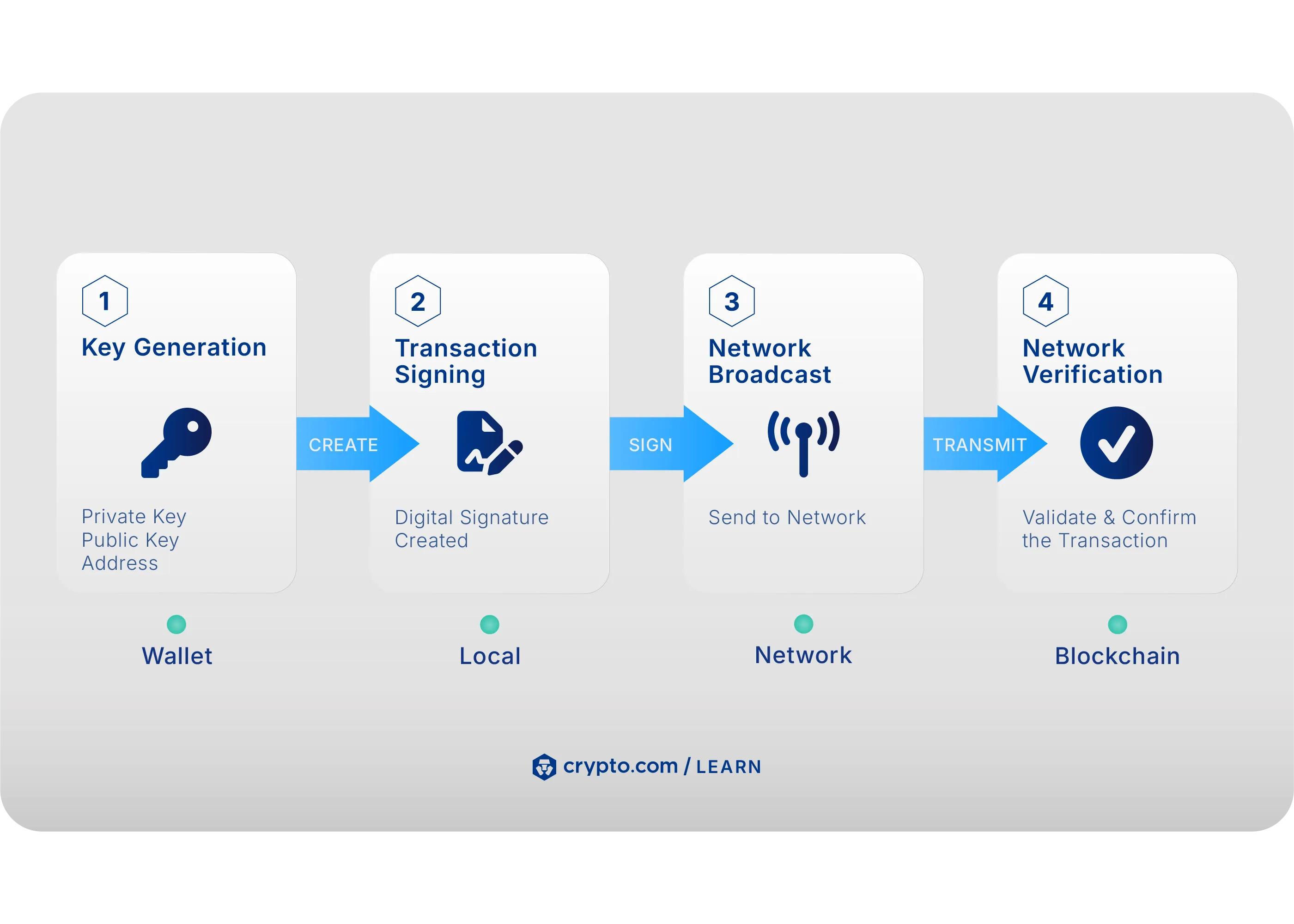
Send a minimal amount of cryptocurrency to the wallet address. Verify that the transaction appears correctly in your wallet interface. Then, send that small amount back to your exchange or another wallet. This confirms that your addresses are valid and that the signing process is working as intended before committing larger sums.
By following these steps, you eliminate the most common vectors for theft and loss. The cost of a few minutes of inspection is negligible compared to the potential loss of your entire portfolio.
Plan for ownership costs
Use this section to make the Best Crypto Wallets for decision easier to compare in real life, not just on paper. Start with the reader's actual constraint, then separate must-have requirements from details that are merely nice to have. A practical choice should survive normal use, maintenance, timing, and budget. If a recommendation only works in an ideal situation, call that out plainly and give the reader a fallback path.
The simplest way to use this section is to write down the must-have criteria first, then compare each option against those criteria before weighing nice-to-have features.
Crypto wallets 2026: what to check next
Choosing a self-custody solution involves balancing security, usability, and tax compliance. These answers address the most common practical objections readers face before making a decision.
No comments yet. Be the first to share your thoughts!