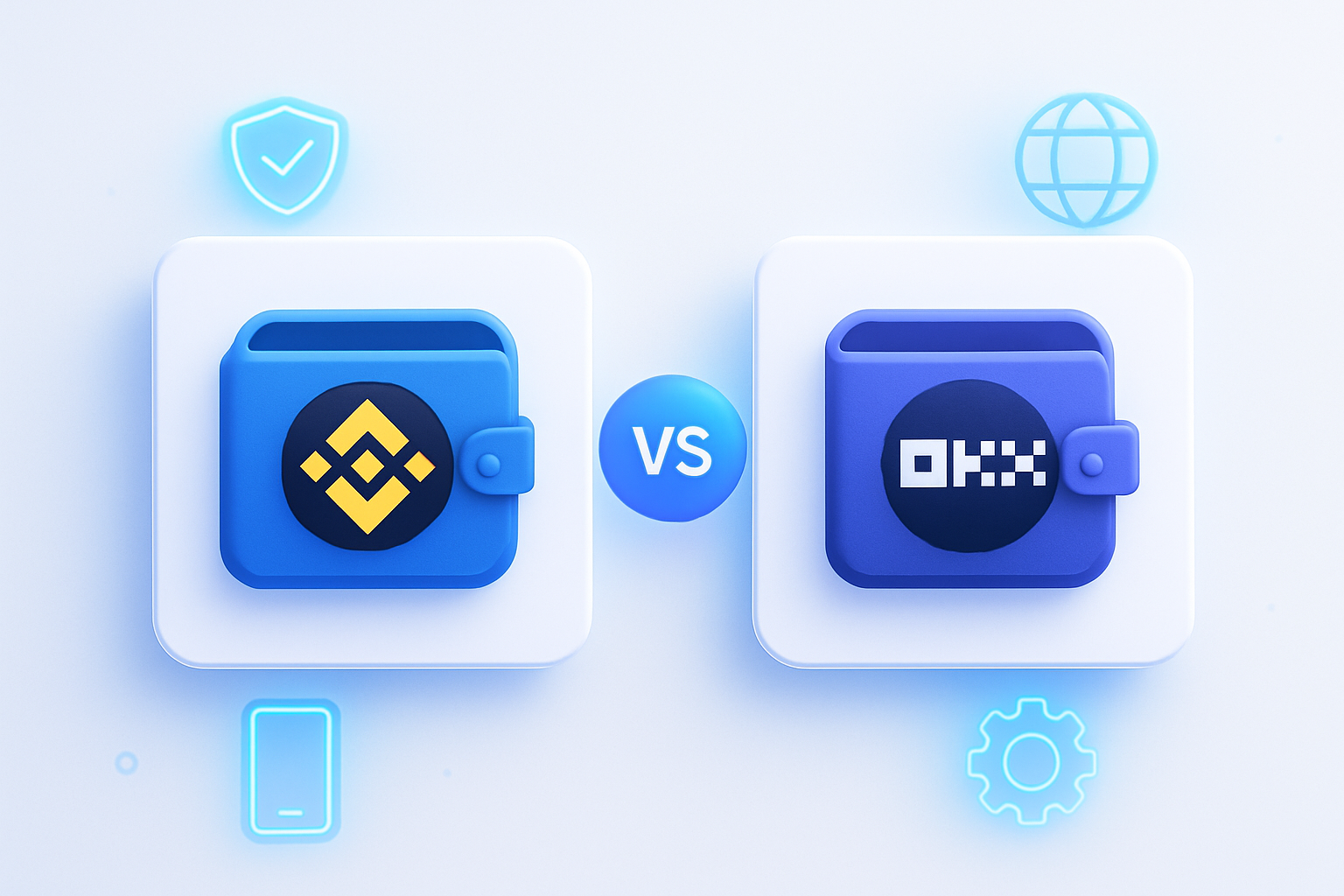
The crypto wallet landscape in 2025 is fiercely competitive, with Binance Wallet and OKX Wallet standing out as two of the most advanced options for both new and experienced users. As digital asset management evolves, the focus has shifted toward seamless multi-chain support, robust security, and intuitive user experiences. This visual guide unpacks the latest features, interface changes, and onboarding flows to help you decide which wallet aligns with your needs.
Multi-Chain Support: Binance vs OKX in 2025
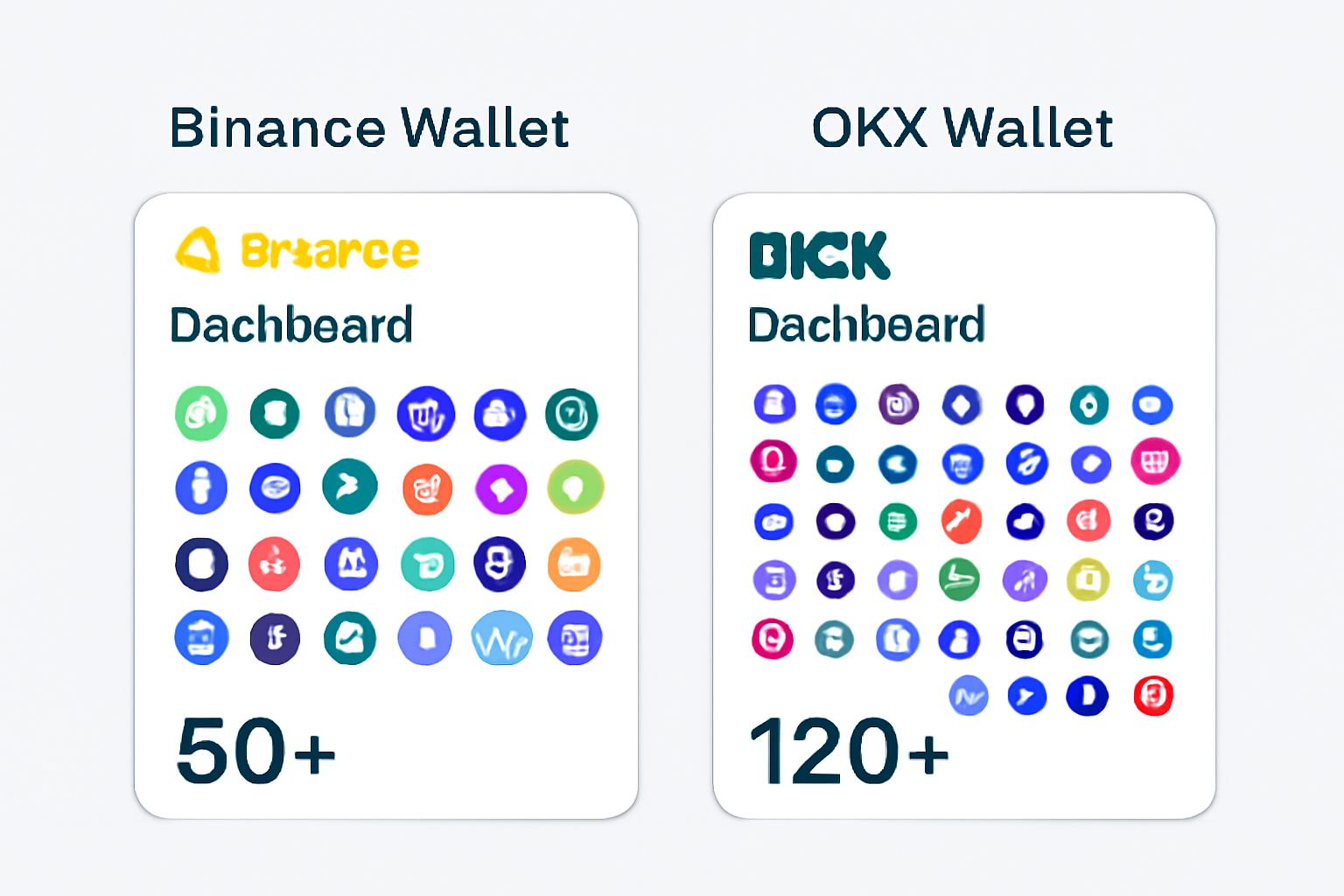
Multi-chain compatibility is now a baseline expectation for any serious crypto wallet. As of August 2025, Binance Wallet supports over 50 public blockchains and continues to expand its DApp integrations. In contrast, OKX Wallet has surged ahead with support for more than 120 blockchain networks, including newer ecosystems that are gaining traction among DeFi enthusiasts.
Binance Wallet vs OKX Wallet: 2025 Feature Comparison
- Blockchain Support: Binance Wallet supports 50+ public blockchains, while OKX Wallet leads with 120+ supported networks, including emerging ecosystems.
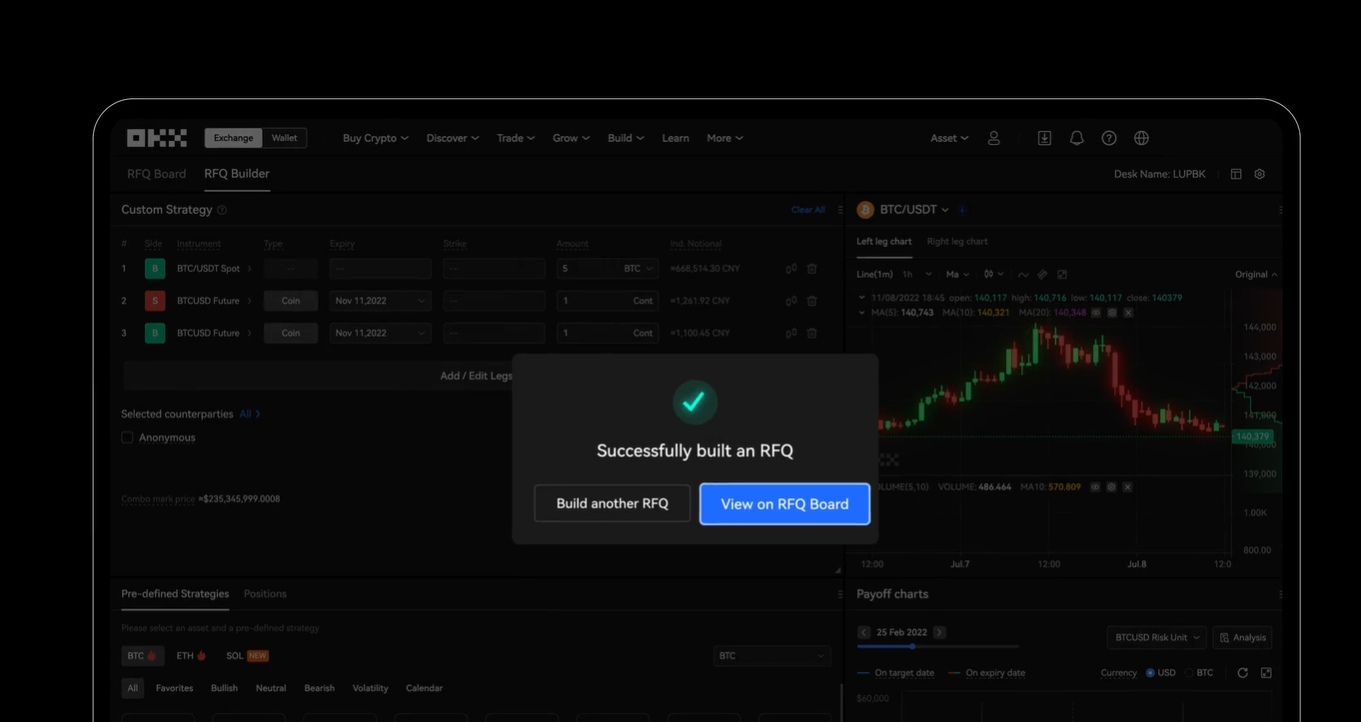
- Decentralized Application (DApp) Integration: Binance Wallet has expanded DApp integration for multi-chain compatibility. OKX Wallet offers a broader DApp ecosystem and advanced cross-chain interoperability.
- NFT Marketplace Features: OKX Wallet provides a comprehensive NFT marketplace with multi-chain support. Binance Wallet also supports NFTs but with a smaller marketplace and fewer integrated networks.
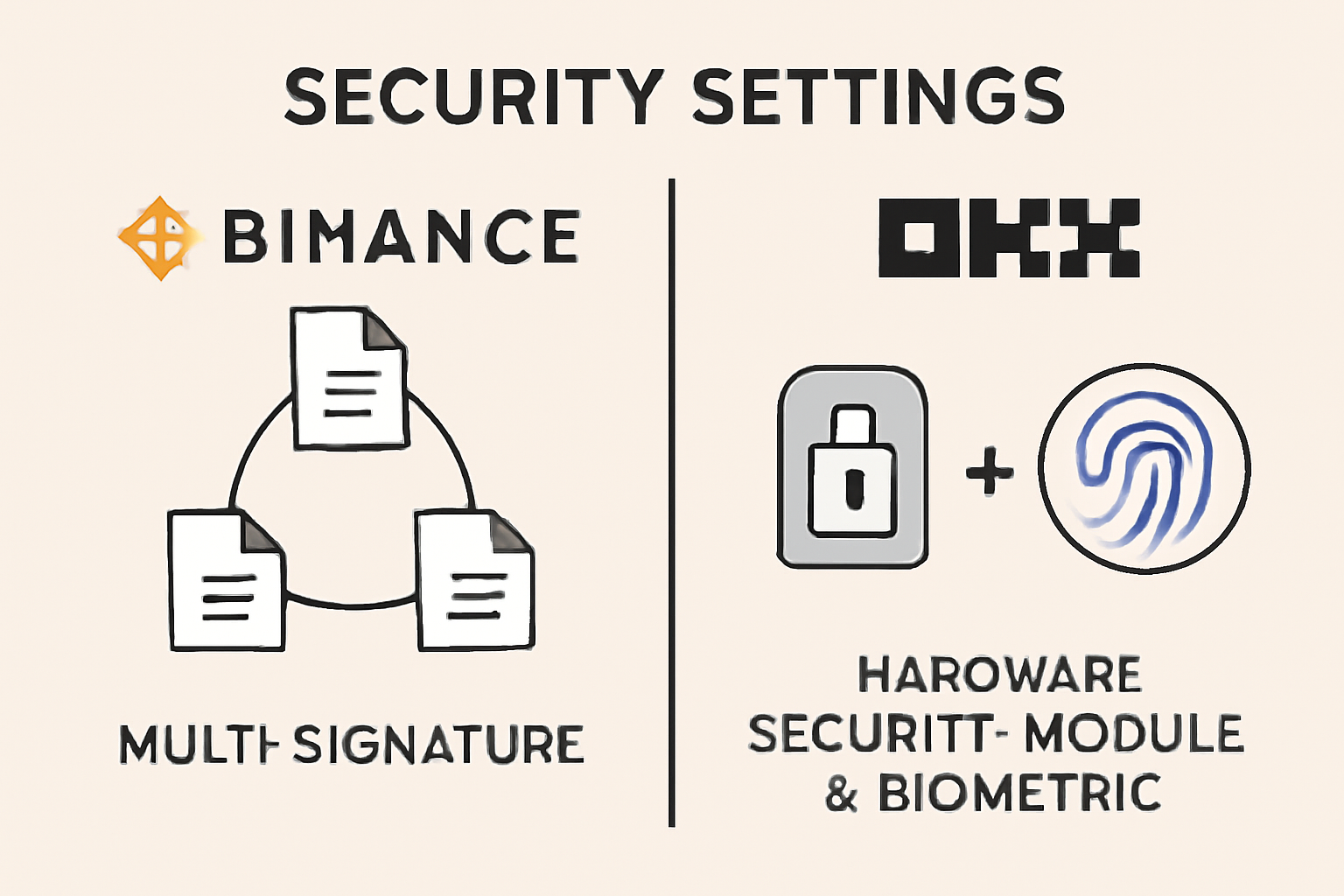
- Security Measures: Binance Wallet features enhanced multi-signature protocols, while OKX Wallet incorporates hardware security modules for additional protection.
- User Interface & Experience: OKX Wallet is recognized for its beginner-friendly interface and smoother navigation. Binance Wallet offers advanced features but may be less intuitive for new users.
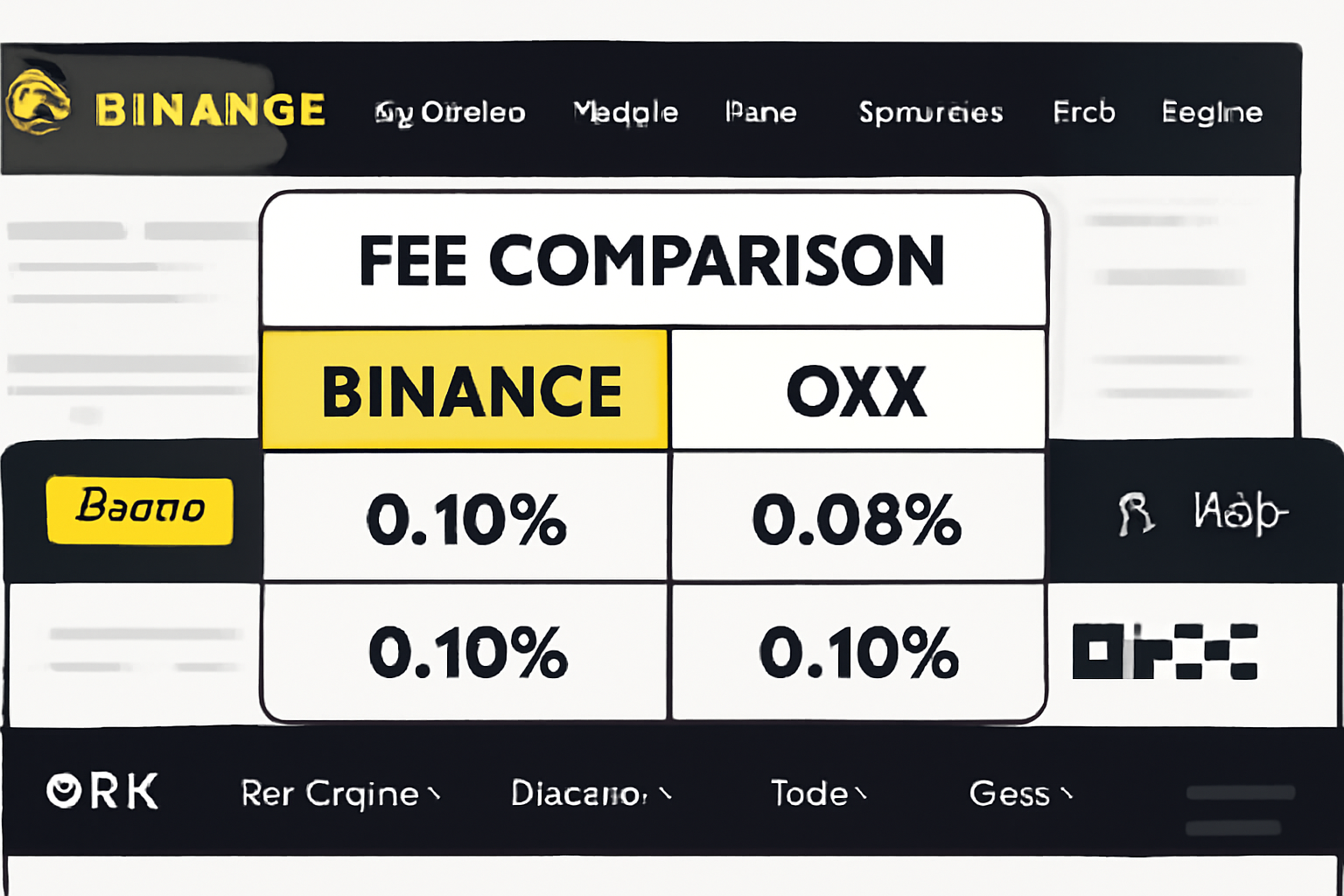
- Trading & Fee Structure: Binance Wallet offers a 0.1% spot trading fee (reduced to 0.075% with BNB), while OKX Wallet starts with a 0.08% maker and 0.1% taker fee.
This difference is not just a numbers game. The breadth of OKX’s network support means users can manage assets across emerging chains without needing multiple wallets or bridges. For users prioritizing access to the latest DeFi protocols or NFT marketplaces on less mainstream chains, this could be a decisive advantage.
User Interface and Experience: Visual Flow and Usability
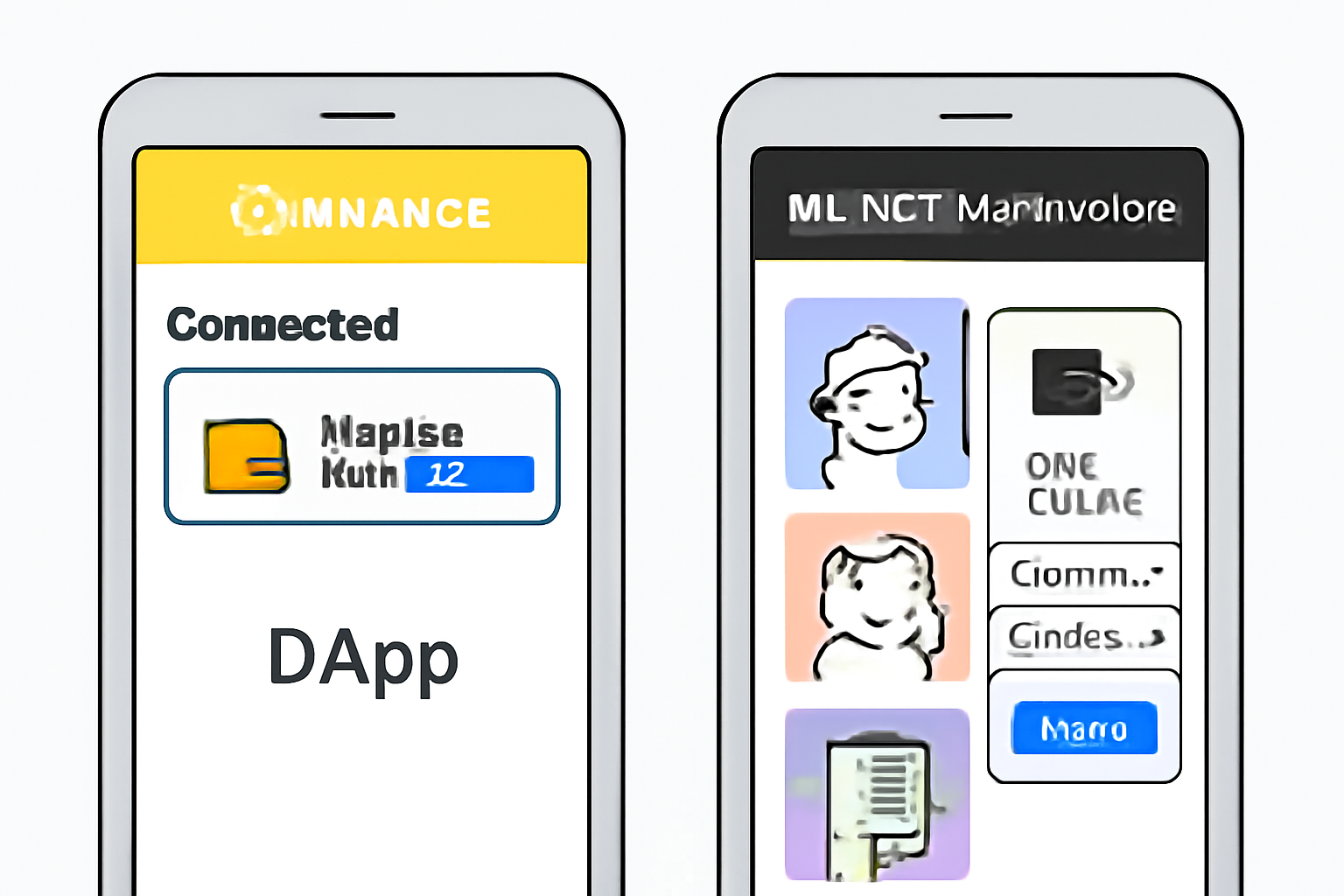
User experience remains a key differentiator. Binance Wallet’s interface is familiar to anyone who has used the Binance exchange - clean navigation menus, clear asset breakdowns, and prominent DApp access points. The onboarding process is streamlined but leans slightly more technical, reflecting Binance’s roots in catering to advanced traders.
OKX Wallet, on the other hand, has been lauded for its beginner-friendly design philosophy. Recent updates have focused on simplifying cross-chain transactions and making NFT management visually intuitive. Its dashboard provides quick-glance insights into portfolio performance across all supported chains - a feature that appeals to both casual users and power portfolio managers.
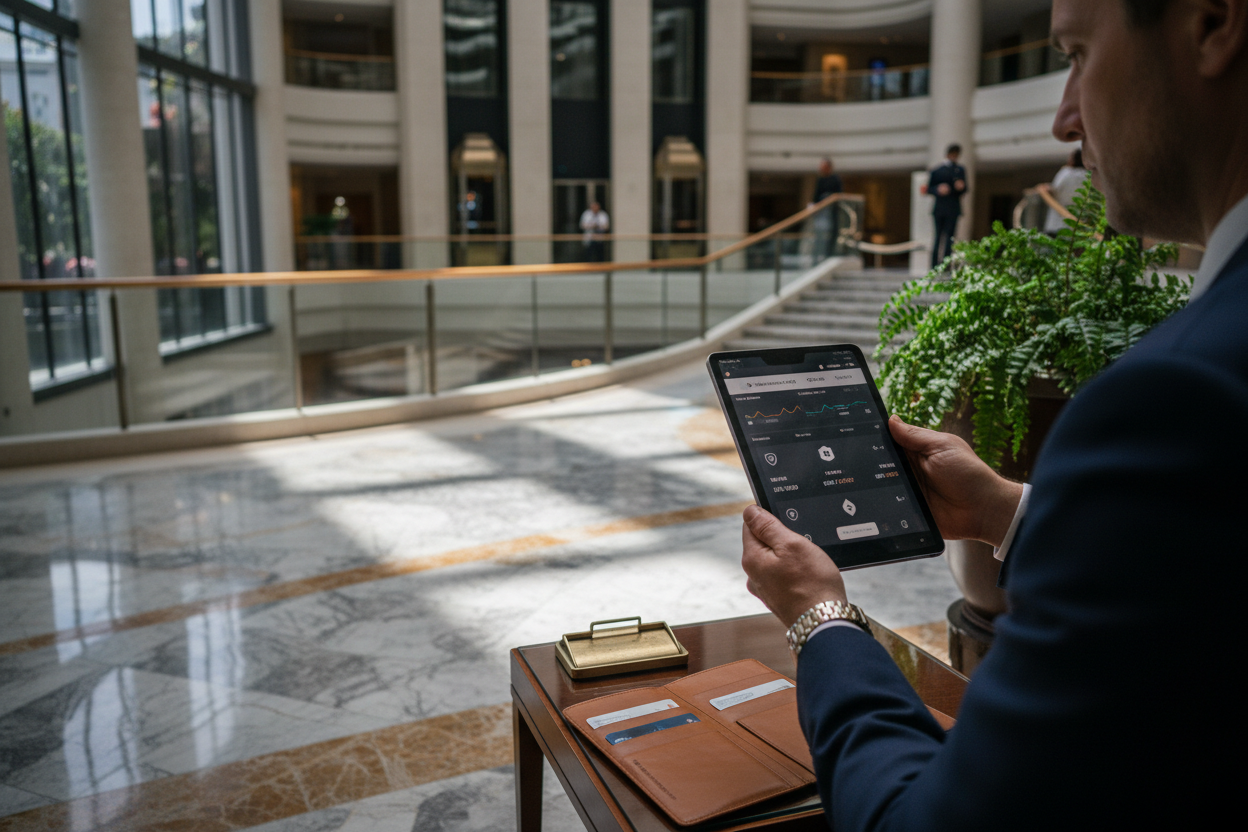
The visual differences are immediately apparent when comparing wallet dashboards side by side: OKX opts for modular widgets and colorful analytics while Binance sticks to a more utilitarian layout. This makes OKX feel approachable for new entrants but still powerful enough for advanced users who want granular control.
Security Enhancements: Protecting Digital Assets in 2025
No wallet review would be complete without examining security protocols. In response to evolving threats, both platforms have implemented significant upgrades this year:
- Binance Wallet: Enhanced multi-signature protocols add an additional layer of transaction verification beyond standard two-factor authentication.
- OKX Wallet: Now incorporates hardware security modules (HSMs), offering institutional-grade protection even for everyday users.
This arms race in wallet security reflects wider industry trends - as user funds grow in value and sophistication of attacks increases, robust protection is non-negotiable.
DApp Integration and NFT Ecosystem Growth
The ability to interact with decentralized applications directly from your wallet is no longer a bonus; it’s essential infrastructure for modern crypto users. Recent Capterra reviews highlight how both wallets have prioritized DApp integration in their latest updates.
- Binance Wallet: Improved DApp browser experience with curated lists of trending apps across supported blockchains.
- OKX Wallet: Advanced NFT marketplace features allow direct minting, trading, and portfolio tracking within the app itself.
This focus on ecosystem access ensures that whether you’re yield farming or collecting NFTs, neither platform limits your options - but their approaches differ significantly in terms of curation versus open-ended exploration.
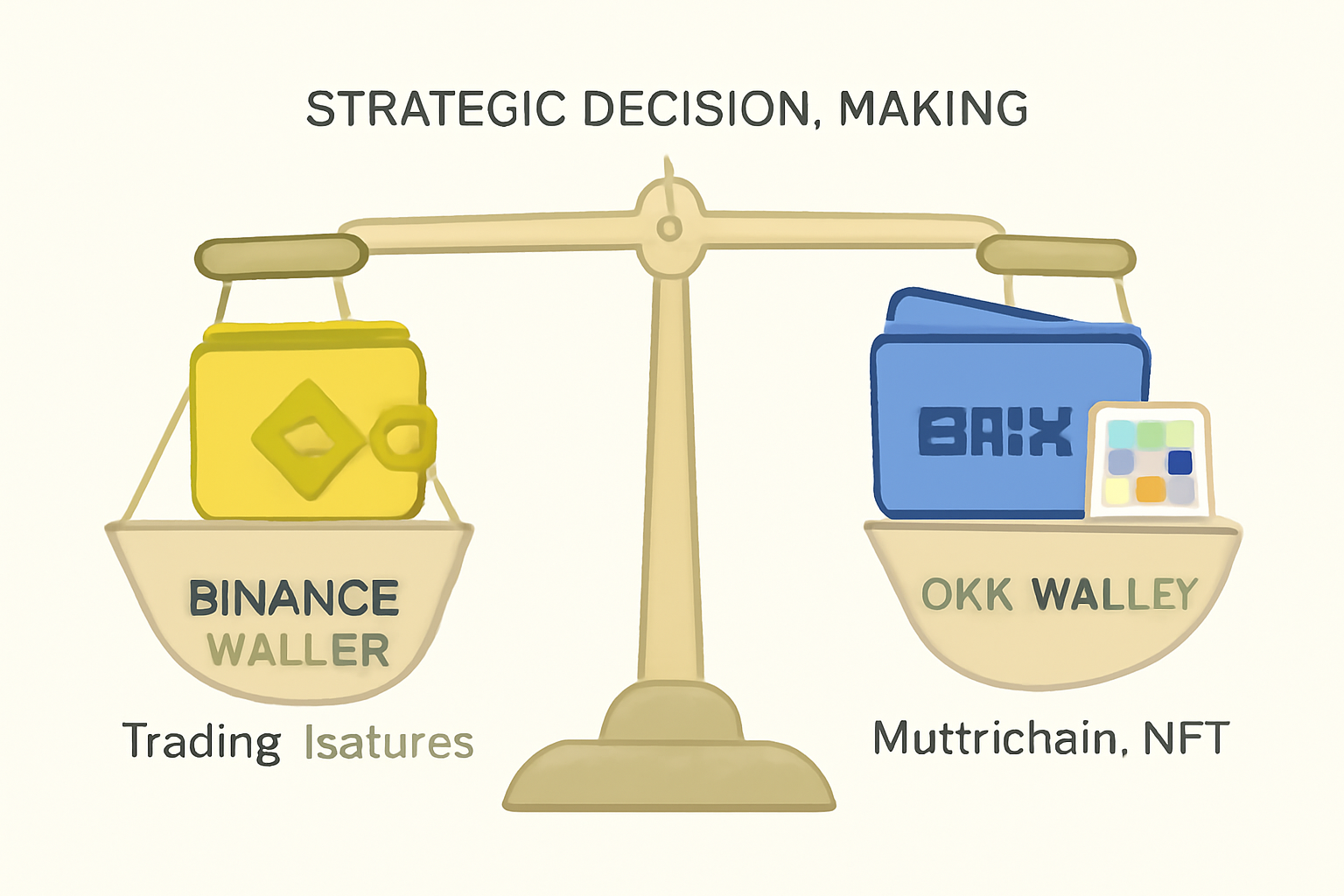
For users who see NFTs as a core part of their digital asset strategy, OKX Wallet’s marketplace integration is a clear standout. The ability to mint, trade, and manage NFTs without ever leaving the wallet app streamlines the process for both creators and collectors. Binance Wallet, while expanding its NFT support, still routes some actions through external marketplaces or partner DApps. This distinction matters for anyone seeking frictionless NFT management or participating in frequent drops.
Onboarding and Setup: First Impressions Matter
Getting started with either wallet is straightforward, but the nuances in onboarding flows can affect your overall experience. OKX Wallet’s setup wizard guides users step-by-step through wallet creation, backup procedures, and network selection. Helpful tooltips and risk reminders are embedded throughout, ideal for those new to self-custody or multi-chain navigation.
Binance Wallet’s onboarding is efficient but assumes some prior knowledge. The process is faster if you already have a Binance account; otherwise, there are more steps around security verification and mnemonic phrase storage. This approach prioritizes security but may feel less accessible to absolute beginners.
Visual Onboarding: Binance Wallet vs OKX Wallet (2025)
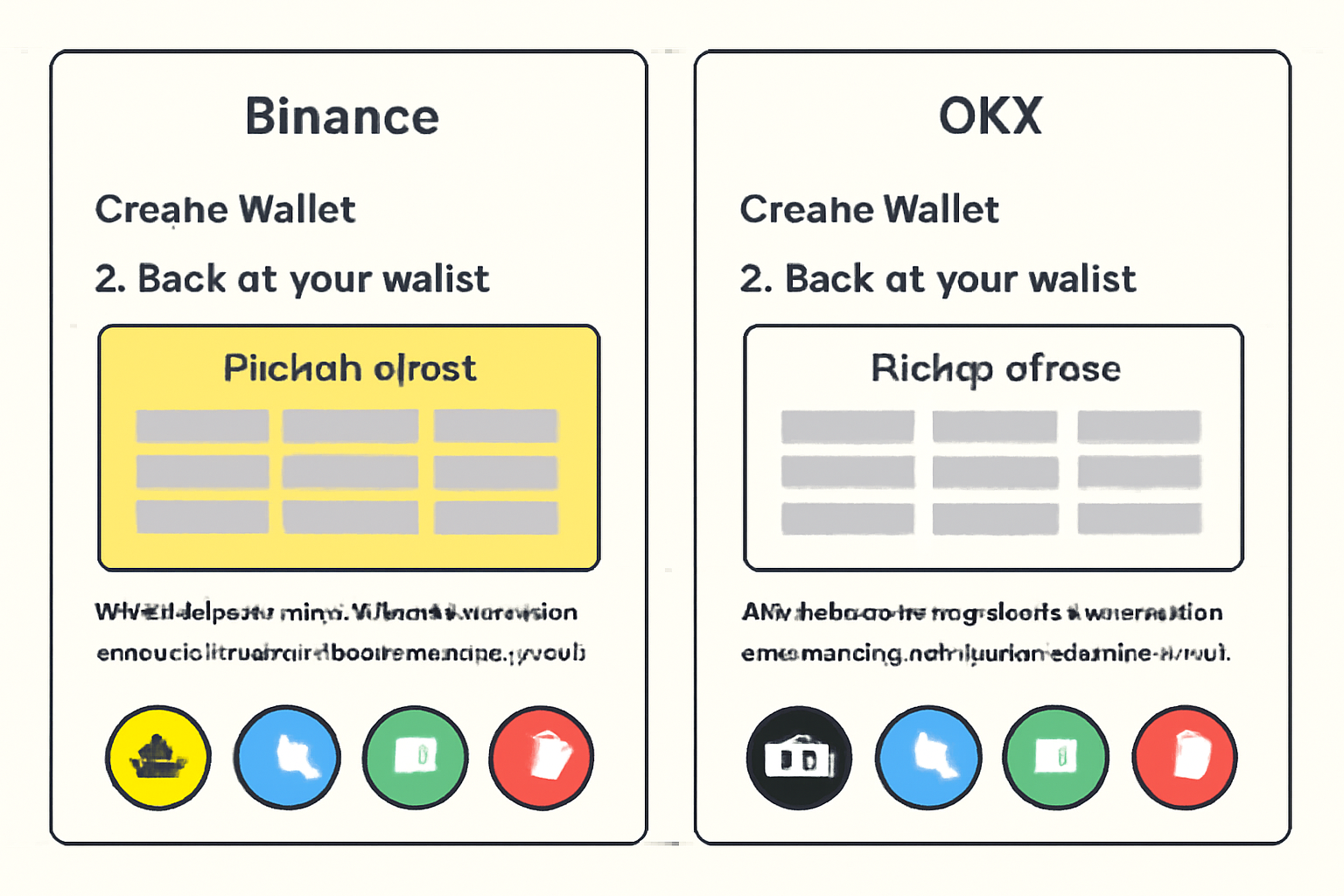
Both wallets provide robust educational resources post-setup, but OKX edges ahead for user-friendliness during those critical first minutes.
Fees and Cost Structure: What You Actually Pay in 2025
Fees remain a top concern for active traders and DeFi participants. As of August 2025:
- Binance Wallet: Spot trading fee stands at 0.1%, reduced to 0.075% when paying with BNB tokens.
- OKX Wallet: Maker fees begin at 0.08%, with taker fees at 0.1%.
The difference is marginal for casual use but becomes meaningful at higher volumes or for frequent on-chain swaps. Binance’s fee discount via BNB still resonates with loyalists, while OKX’s lower base maker fee appeals to active DeFi users seeking every edge.
Binance Wallet vs OKX Wallet: Fees Comparison (2025)
| Fee Type | Binance Wallet | OKX Wallet |
|---|---|---|
| Spot Trading Fee (Maker) | 0.1% (0.075% with BNB) | 0.08% |
| Spot Trading Fee (Taker) | 0.1% (0.075% with BNB) | 0.10% |
| DApp Transaction Fee | Network-based (varies by blockchain) | Network-based (varies by blockchain) |
| Discounts Available? | Yes, with BNB | Yes, with OKB |
| Supported Blockchains for DApps | 50+ | 120+ |
If you’re deciding based on cost alone, review your transaction patterns, active traders may save more on OKX, while Binance rewards those integrated into its broader ecosystem.
Community and Support: Which Wallet Has Your Back?
User support channels have become increasingly important as wallets add complexity and cater to global audiences. According to recent reviews from Capterra and Slashdot, OKX consistently rates higher on customer support responsiveness and multilingual help resources. The choice between Binance Wallet vs OKX Wallet in 2025 comes down to your priorities: The reality? Both wallets have matured into robust platforms that reflect the needs of today’s crypto user, security-first design, seamless DApp access, competitive fees, and responsive support. a0Your best move is to match your own habits with each platform’s strengths, and revisit this comparison as both continue their rapid evolution through 2025. Customer Support Comparison: Binance Wallet vs OKX Wallet (2025)
Support Feature Binance Wallet OKX Wallet Live Chat ✅ 24/7 🟢 ✅ 24/7 🟢 Email Support ✅ Fast 📧 ✅ Fast 📧 Community Forum ✅ Active 💬 ✅ Active 💬 Response Time ⏱️ Avg. 5-10 min ⏱️ Avg. 2-5 min ⚡ Multilingual Resources 🌐 15+ languages 🌐 20+ languages 🌍 User Satisfaction Rating ⭐ 4.2/5 ⭐ 4.5/5 🏆 Final Thoughts: Which Crypto Wallet Wins in 2025?


No comments yet. Be the first to share your thoughts!