
With the proliferation of digital assets and a surge in self-custody adoption in 2025, choosing the right hardware wallet is more critical than ever. Two names dominate the conversation: Trezor Safe 7 and Ledger Nano X. Both offer robust security, but their approaches diverge sharply, reflecting different philosophies on transparency, usability, and ecosystem integration. This data-driven comparison unpacks their core differences to help modern crypto users make an informed decision.
Security Architecture: EAL6 and vs EAL5 and
The foundation of any hardware wallet is its security model. In 2025, both Trezor Safe 7 and Ledger Nano X deploy Secure Element chips - but with notable distinctions:
- Trezor Safe 7: Features a Secure Element chip with EAL6 and certification. This is one of the highest assurance levels available for consumer devices, offering advanced resistance against physical attacks. Security experts and open-source advocates praise this move as a major leap for Trezor.
- Ledger Nano X: Utilizes an EAL5 and certified Secure Element. While marginally lower than EAL6 and, it remains industry standard and has proven effective in real-world attack scenarios over several years.
It’s important to note that while both chips are highly secure, the incremental jump from EAL5 and to EAL6 and may appeal to users storing significant value or those particularly concerned about targeted physical attacks. For most retail users, both options provide strong protection against remote exploits.
Firmware Transparency: Open-Source vs Proprietary
The next major point of divergence is firmware philosophy:
- Trezor Safe 7: Continues Trezor’s legacy with fully open-source firmware. Every line of code can be audited by the community or independent researchers. This aligns with decentralization principles and allows faster detection of potential vulnerabilities.
- Ledger Nano X: Runs mostly proprietary firmware, though some components are now open-source following community pressure in recent years. Ledger argues this approach protects intellectual property without sacrificing user safety - a claim that remains debated among privacy advocates.
If you value maximum transparency and verifiability, Trezor’s open-source stack gives it a clear edge. However, Ledger’s proprietary model has not resulted in any known catastrophic breaches since its launch - so practical risk remains low for most users.
Supported Coins and Ecosystem Compatibility
This is where the Ledger Nano X pulls ahead decisively for power users:
- Trezor Safe 7: Supports over 9,000 cryptocurrencies, including all major coins and thousands of ERC-20 tokens.
- Ledger Nano X: Boasts compatibility with over 15,000 cryptocurrencies. Its companion app ecosystem (Ledger Live) also supports staking, DeFi integrations, NFTs, and more - features that appeal to advanced investors managing diverse portfolios.
If your portfolio includes niche tokens or you demand seamless access to DeFi protocols directly from your hardware wallet interface, Ledger’s broader support list will likely sway your decision. That said, for Bitcoin-only or major coin holders who prioritize simplicity and auditability over sheer breadth, Trezor remains highly competitive.
User Experience: Touchscreen vs Buttons and Mobile Connectivity
User interface plays a non-trivial role in day-to-day usage - especially as self-custody goes mainstream in 2025:
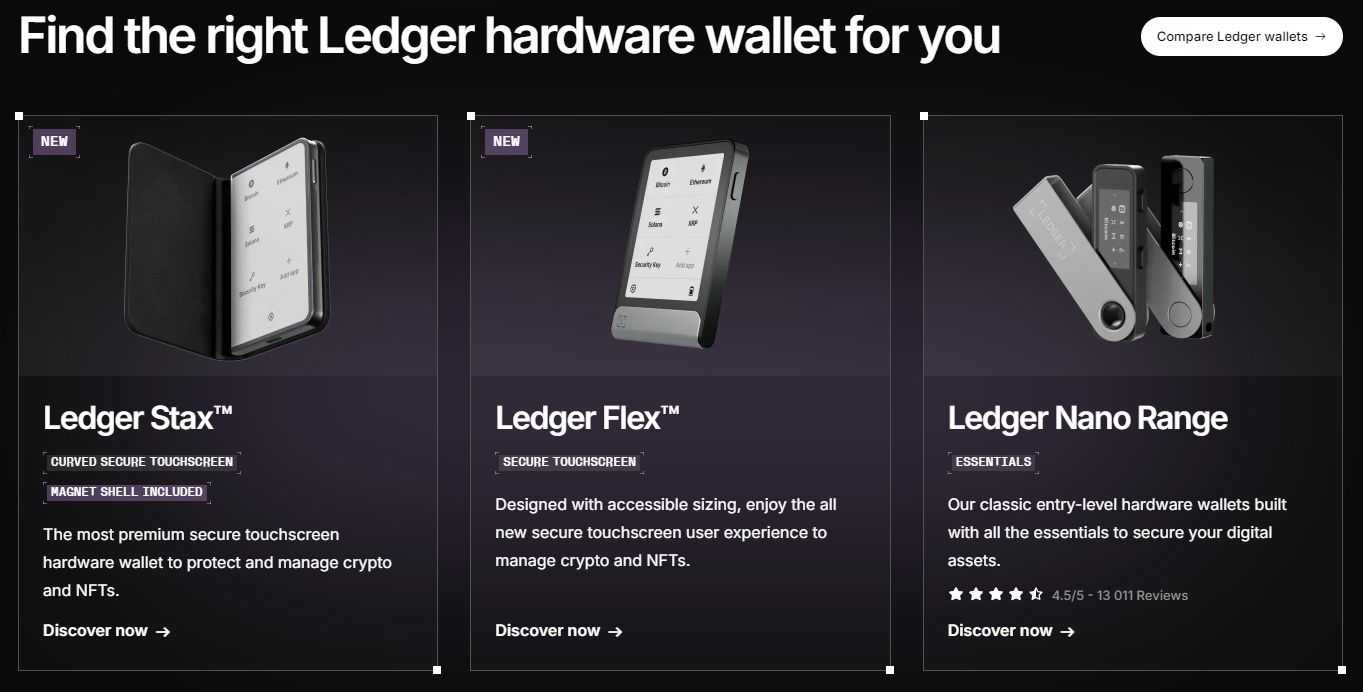
- Trezor Safe 7: Sports a vibrant color touchscreen for intuitive navigation. The UI is clean and responsive; entering passphrases or confirming transactions feels modern and secure on-device rather than via computer prompts.
- Ledger Nano X: Relies on two physical buttons paired with an OLED screen. It’s compact (almost USB stick-sized), making it ultra-portable but less immersive when navigating menus or verifying addresses.
A key distinction is connectivity: Ledger Nano X supports Bluetooth out-of-the-box for mobile use (iOS/Android), while Trezor Safe 7 connects via USB-C only - limiting its mobile flexibility but possibly reducing wireless attack vectors for cautious users.
If you want a deeper dive into visual differences between these devices’ interfaces or design language, check out our detailed photo comparison at Trezor Safe 7 vs Ledger Nano X Visual Comparison.
Backup and Recovery: Shamir, 24 Words, and Ledger Recover
Backup and recovery mechanisms are a critical, often overlooked aspect of hardware wallet security. Both Trezor Safe 7 and Ledger Nano X utilize the industry-standard 24-word recovery phrase for restoring wallets. However, their approaches diverge in advanced options:
- Trezor Safe 7: In addition to standard backup, Trezor offers Shamir Backup, allowing users to split their recovery phrase into multiple shares. This provides a robust layer of redundancy, losing one share doesn't mean losing all access. For users managing significant assets or those concerned about single-point failure, Shamir is a compelling differentiator.
- Ledger Nano X: Sticks with the tried-and-true 24-word phrase but also introduced the controversial Ledger Recover service. This identity-based recovery option appeals to some mainstream users but has drawn criticism from privacy advocates due to concerns over custodial risk and personal data exposure.
Your comfort with custodial risks versus self-sovereign redundancy should guide your choice here. If you want maximum control and flexibility over backups, Trezor’s Shamir implementation is best-in-class. If you prefer a more hands-off approach (with trade-offs), Ledger’s Recover may be worth exploring.
Price and Value: Premium vs Feature-Rich
The price gap between these two flagship wallets remains tight but significant for budget-conscious buyers:
- Trezor Safe 7: Priced at $169, it’s positioned as a premium device in both materials and feature set. The aluminum body, touchscreen interface, and open-source ethos justify the premium for many users focused on transparency and user experience.
- Ledger Nano X: At $149, it undercuts Trezor while offering broader coin support and Bluetooth connectivity out-of-the-box. For those seeking maximum asset compatibility or frequent mobile use, this $20 difference could be decisive.
The decision ultimately hinges on which features matter most to you, touchscreen and open-source transparency (Trezor) or mobile flexibility and asset breadth (Ledger). For a side-by-side visual breakdown of what your money gets you in 2025, see our comparison guide at Trezor Safe 7 vs Ledger Nano X Visual Comparison.
Which Hardware Wallet Is Right for You?
The debate between Trezor Safe 7 vs Ledger Nano X typifies the broader tradeoffs in crypto self-custody: open-source maximalism versus proprietary polish; advanced backup flexibility versus seamless mobile integration; premium build quality versus feature-packed value. Here’s how our analysis breaks down for different user profiles:
- Security Maximalists and Open-Source Advocates: Trezor Safe 7 stands out with EAL6 and security, transparent firmware, Shamir Backup, and an intuitive touchscreen. It’s ideal if you want every layer of your wallet stack auditable by the community.
- Diversified Investors and Power Users: Ledger Nano X wins on sheer breadth, 15,000 and coins supported, and Bluetooth connectivity makes it hard to beat for those who need mobile access or manage complex portfolios across chains.
- Mainstream Users and Newcomers: Both devices offer robust baseline protection against theft or loss. The choice comes down to whether you value Ledger’s companion app ecosystem or Trezor’s simpler interface and transparent codebase.
User Sentiment and Community Insights
The crypto community remains divided, Reddit threads are filled with nuanced takes weighing open-source values against convenience features like Bluetooth pairing or native NFT support. Notably, recent polls suggest no clear winner; many seasoned holders own both devices for different operational contexts.
If you’re still on the fence about which wallet fits your risk profile or technical preferences, explore our other deep-dive guides covering real-world usage scenarios and unboxing experiences across both brands at Ledger vs Trezor: Comparing the Latest Hardware Wallet Innovations for 2025.
The bottom line? Both Trezor Safe 7 ($169) and Ledger Nano X ($149) remain top-tier choices for safeguarding digital assets in 2025, your decision should reflect your personal balance between transparency, convenience, ecosystem needs, and backup philosophy as crypto adoption accelerates into new territory.


No comments yet. Be the first to share your thoughts!