
In 2025, the contest between OKX Wallet and Binance Wallet has become the benchmark for evaluating CeDeFi (Centralized-Decentralized Finance) wallet features and user experience. Both platforms are at the center of a rapidly evolving crypto ecosystem, each with strengths in security, cross-chain capabilities, and seamless hybrid finance access. This head-to-head visual guide dissects their latest innovations using current market data and firsthand user reports.
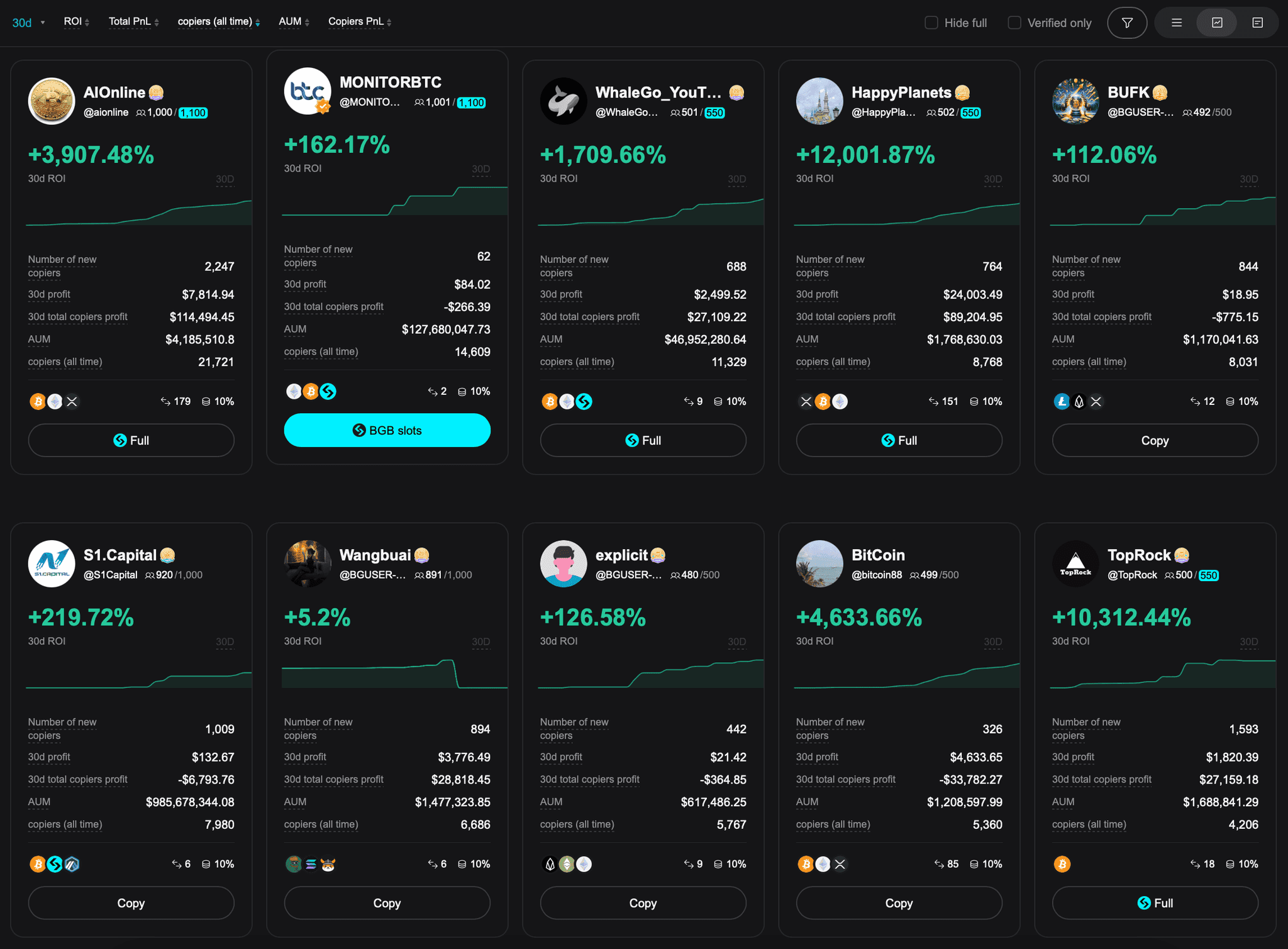
CeDeFi Features: Multi-Chain Support, On-Chain Swaps and Gamified Rewards
OKX Wallet has pushed the boundaries of interoperability by supporting over 100 blockchain networks, making it one of the most versatile wallets available. Its integration of Multi-Party Computation (MPC) technology means private keys are split into multiple shards, significantly reducing single-point-of-failure risk. In contrast, Binance Wallet, deeply integrated within the Binance App, has captured roughly 95% of DEX swap volume among major wallet providers. This dominance is driven by its CEX-to-DEX Hybrid Model, enabling users to execute on-chain swaps directly from their CEX balances, a feature that removes friction for high-frequency traders and DeFi newcomers alike.
A distinctive aspect of Binance's CeDeFi approach is its Alpha Points Program. This gamified rewards system incentivizes wallet activity and participation in token launches, giving users tangible benefits for engagement. OKX counters with deep dApp integration and broad asset management tools across its supported chains.
OKX vs Binance Wallet: CeDeFi Feature Comparison (2025)
| Feature | OKX Wallet | Binance Wallet |
|---|---|---|
| Platform Integration | Web3 Wallet integrated into OKX platform | Web3 Wallet integrated within Binance App |
| Multi-Chain Support | Supports 100+ blockchains (as of end 2024) | Supports major chains (exact number not specified) |
| Key Security Technology | Multi-Party Computation (MPC) – private keys split & stored separately 🔐 | Traditional key management; $1B SAFU insurance fund |
| DEX Swap Volume (2025) | Not specified | ~95% of DEX swap volume among major wallets; $5B+ daily on-chain volume |
| Hybrid CeDeFi Model | Deep DeFi integration; seamless CEX-to-DEX experience | CEX-to-DEX Hybrid Model: on-chain swaps directly from CEX balances |
| Rewards & Gamification | Not highlighted | Alpha Points Program: gamified rewards for activity & token launches 🎮 |
| User Experience | Minimalist, clean UI; strong dApp & DeFi support; beginner & advanced friendly | Consistent with Binance UI; simple & intuitive; early language/page lag issues fixed |
| Security Measures | MPC technology for enhanced security; no single point of failure | Traditional security + $1B SAFU fund for user protection |
| Best For... | Users seeking extensive multi-chain access & advanced security | Users wanting seamless Binance ecosystem experience & high-volume trading |
User Experience: Interface Design and Accessibility Insights
The user experience on both wallets reflects their core philosophies. OKX Wallet's minimalist design appeals to both beginners and advanced users. It offers a clean interface with intuitive navigation across a vast landscape of networks and dApps. Users consistently praise its onboarding flow and clarity when managing multi-chain assets or interacting with DeFi protocols.
Binance Wallet's UI, on the other hand, maintains consistency with the main exchange app, a boon for those already familiar with Binance’s ecosystem. Early complaints about language switching bugs and page lag have largely been resolved by mid-2025 updates. The result is a streamlined experience that caters to those who want both centralized exchange convenience and direct DeFi access without leaving a single application.
Security Architecture: MPC vs SAFU Fund Protection
Security remains paramount as hacks continue to target both exchanges and wallets in 2025.
- OKX Wallet: Leverages advanced MPC technology to divide private keys into separate pieces stored independently, making it virtually impossible for an attacker to seize full control without compromising multiple parties or devices simultaneously.
- Binance Wallet: Sticks with traditional key management but backs this up with its $1 billion Secure Asset Fund for Users (SAFU). If a breach occurs, SAFU acts as an insurance policy covering potential losses, a model that instills confidence among risk-averse users.
This divergence in security philosophy is shaping user preferences: some prioritize cryptographic innovation (MPC), while others value institutional-grade insurance (SAFU).
If you want an even deeper breakdown of visual interfaces or side-by-side feature grids, see our extended guides such as this comprehensive comparison of Binance vs OKX wallet features for 2025.
When it comes to real-world usability, both wallets have established clear strengths. OKX Wallet’s deep DeFi integration and broad network support make it a favorite for users who frequently interact with diverse dApps or require flexible cross-chain asset management. Its interface is engineered for clarity, minimizing cognitive load even when juggling assets across 100 and chains. This is particularly valuable as the DeFi landscape grows more complex, and users demand seamless access to new protocols without switching wallets or platforms.
Binance Wallet, meanwhile, leverages the scale of its exchange ecosystem. For high-frequency traders and those seeking the lowest possible friction between centralized and decentralized activities, Binance’s CEX-to-DEX hybrid model is hard to beat. The ability to execute on-chain swaps directly from CEX balances, without manual transfers, has become a key differentiator in 2025, especially as daily on-chain volume now exceeds $5 billion. The gamified Alpha Points Program further encourages ongoing engagement, rewarding not just trading but broader wallet activity and participation in token launches.
Fees and Performance: How Costs Shape CeDeFi Wallet Adoption
Fee structures remain a decisive factor for user migration between wallets. As of late 2025:
- OKX Wallet: Regular users face maker fees of 0.080% and taker fees of 0.10%. These competitive rates are especially attractive for active DeFi participants who value cost efficiency across multiple blockchains.
- Binance Wallet: Standardized at 0.10% for both makers and takers, with reductions (to 0.075%) available when paying fees in BNB tokens. For high-volume traders embedded in the Binance ecosystem, these discounts can add up significantly over time.
The marginal differences in base fees are often outweighed by each wallet’s unique value proposition, be it OKX’s multi-chain flexibility or Binance’s unified hybrid trading experience.
Choosing the Right CeDeFi Wallet: Who Should Use OKX vs Binance?
Your choice will ultimately depend on your priorities:
- If you want maximum blockchain coverage, advanced security via MPC, and a streamlined interface for dApp interaction, OKX Wallet is tailored to power users who operate across multiple ecosystems.
- If you prefer seamless CEX-DEX transitions, robust institutional protection (SAFU), and participation in exchange-driven rewards programs, Binance Wallet remains unmatched within its own ecosystem.
The best solution may even be a hybrid approach, using both wallets for different needs as CeDeFi matures further into 2026.
If you’re ready to compare visuals or want a step-by-step onboarding guide for either wallet, explore our dedicated resources like this visual guide to wallet features and UI.


No comments yet. Be the first to share your thoughts!